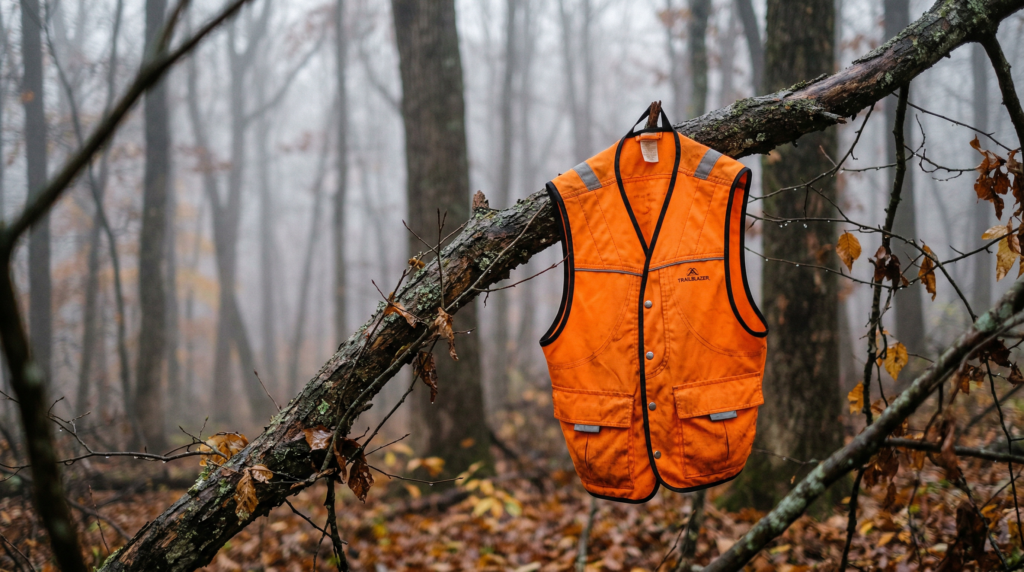
Fatalities Drop Sharply in Latest SCDNR Report
South Carolina hunters closed the 2025 season with one of the safest records the state has seen in recent memory. According to data from the South Carolina Department of Natural Resources, only two hunting-related fatalities were recorded during the year — a significant drop from the five fatalities reported the previous season. Wildlife officials attribute the improvement to continued growth in hunter education programs and increased public awareness around safe firearm handling.
The numbers reflect a broader national trend toward safer hunting environments, but South Carolina’s numbers stand out given how actively the state has invested in structured education. SCDNR’s hunter education curriculum covers tree stand safety, safe zone-of-fire awareness, and the critical habit of positively identifying a target before firing — all factors that directly reduce accident risk.
What’s Driving the Improvement
Safety officials point to several contributing factors. Tree stand incidents have historically been one of the leading causes of hunting injuries, and increased use of full-body harness systems has had a measurable effect. Firearm handling discipline — specifically treating every gun as loaded and keeping fingers off triggers until ready to fire — remains the foundation of hunter safety training and has become more deeply embedded in hunter culture over time.
Hunters who complete the state’s required education course demonstrate meaningfully lower accident rates than those grandfathered in without formal training. The course covers survival skills, ethics, and legal obligations alongside safety fundamentals, building a well-rounded foundation for new hunters.
Spartanburg County and Local Safety Resources
Hunters in the Spartanburg area have access to hunter education classes offered periodically through SCDNR at local venues including shooting ranges and recreation facilities. The classes are mandatory for first-time hunters and are increasingly taken voluntarily by experienced hunters seeking a refresher. Youth hunters often complete the course through organized camps and mentored programs offered by local hunting clubs and conservation organizations.
Spartanburg County’s hunting community has maintained a strong safety culture, with local clubs routinely emphasizing pre-season range time, equipment checks, and buddy systems for solo hunters. The growing use of communication devices in the field — allowing hunters to stay in contact with others who know their location — has also contributed to reducing the severity of accidents when they do occur.
The downward trend in statewide fatalities is encouraging, but SCDNR continues to remind all hunters that complacency is the enemy of safety. Every season, conditions in the field vary, and the same rules that protect hunters on opening day apply just as much on the last day of the season.
What’s Happening
Q: How many hunting-related fatalities occurred in South Carolina in 2025?
A: SCDNR reported two hunting-related fatalities in 2025, down from five the prior year.
Q: Where can Spartanburg hunters take a hunter education class?
A: SCDNR offers hunter education courses periodically at local venues across the Upstate. Check the SCDNR website for upcoming class dates and registration information.
Q: Is hunter education required in South Carolina?
A: Yes, first-time hunters are required to complete an approved hunter education course before purchasing a license. The course covers firearm safety, ethics, wildlife identification, and field survival.
Q: What are the most common causes of hunting accidents?
A: Tree stand falls and unsafe firearm handling — including failure to identify a target before firing — are the leading contributors to hunting injuries and fatalities nationally and in South Carolina.