A Massachusetts woman is facing two counts of murder after her young children were found dead inside the family home in Wellesley, a development that has drawn national attention to the dangers that can emerge when custody disputes reach a crisis point.
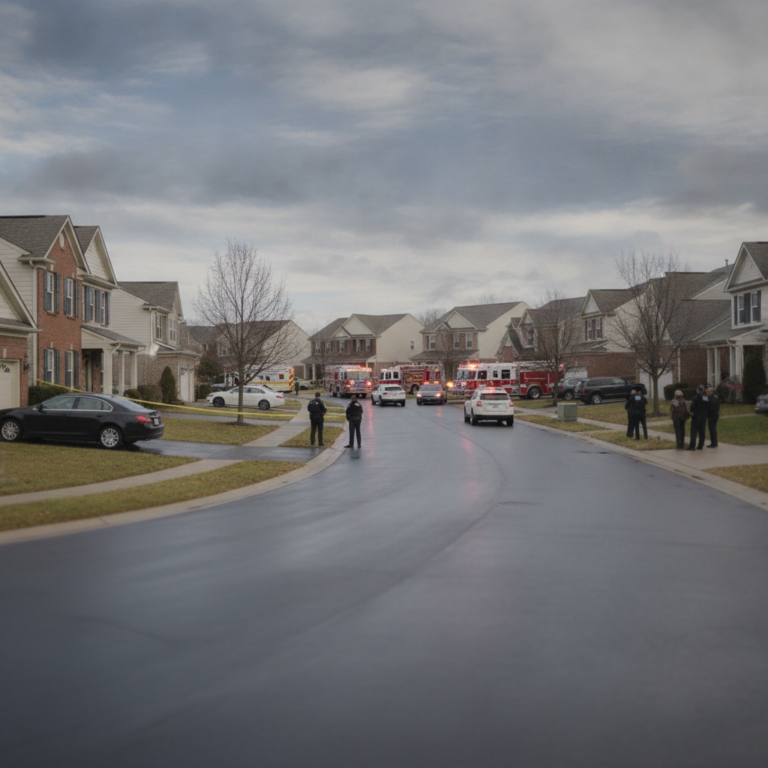
Massachusetts State Police issued an arrest warrant Saturday charging Janette MacAusland, 49, of Wellesley, in the deaths of her two children — a 7-year-old boy and a 6-year-old girl. The arrest warrant followed a series of events that began Friday evening when police in Bennington, Vermont, were called to a family residence after a woman arrived appearing highly distraught and bleeding from a visible neck wound. Officers identified that woman as MacAusland, and growing concern for the welfare of her children prompted Vermont authorities to contact Wellesley police, who responded to the family home on Edgemoor Avenue. At approximately 9:50 p.m., Wellesley officers found both children dead inside the residence.
MacAusland was taken into custody in Vermont on a fugitive from justice charge and is being held without bail at the Marble Valley Correctional Facility. She was expected to appear in a Vermont court Monday before Massachusetts authorities pursue extradition proceedings to return her to face the murder charges in that state. The Norfolk County District Attorney’s Office is jointly investigating the children’s deaths alongside Wellesley police and the Massachusetts State Police Detective Unit.
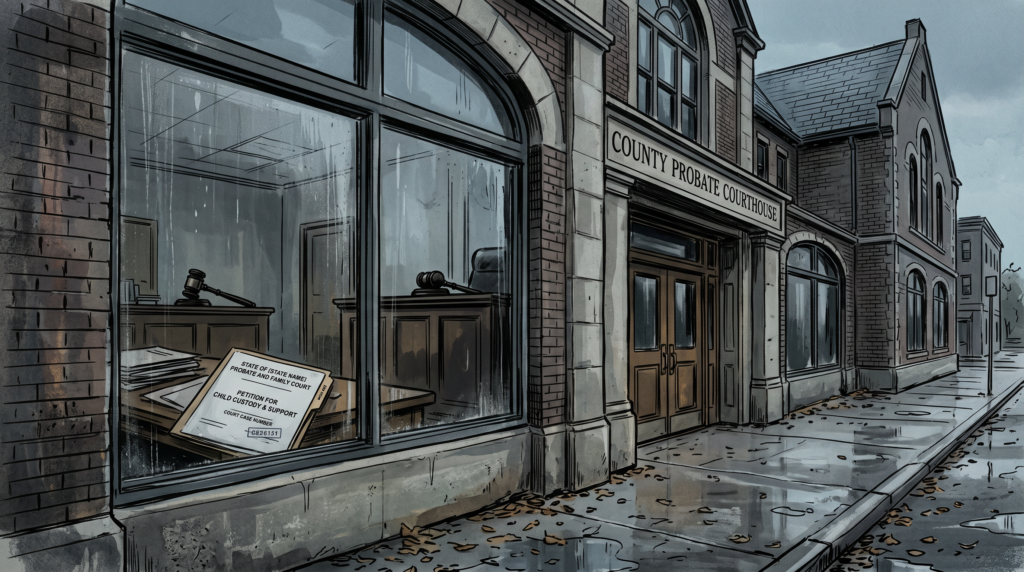
Probate court records show that the couple’s divorce filing dates to October, when Samuel MacAusland sought to end nine years of marriage and requested custody of the children and the marital home. Janette MacAusland filed a counter-claim also seeking custody and possession of the home. The case was still unresolved when, on April 16, both parties filed a joint motion agreeing to appoint a neutral third party — a guardian ad litem — to investigate custody and parenting-plan issues and make recommendations to the court. The guardian was officially appointed April 21, and a follow-up hearing had been rescheduled to September 1 to allow him 35 hours to complete his report. The children had been attending kindergarten and second grade at Schofield Elementary School in Wellesley.
Legal experts who follow family court matters have noted that flashpoints in contested-custody cases — such as the appointment of a guardian or a change in procedural status — can coincide with periods of elevated risk for all involved. Court-ordered neutral evaluations are a standard tool designed to protect children’s interests, but the period surrounding such appointments can carry heightened emotional strain for parties already in conflict.
The case highlights the intersection of family court proceedings and criminal law that South Carolina child-welfare advocates and law enforcement agencies have been examining with renewed attention. In March 2026, Governor Henry McMaster signed into law Act 101 (S. 405), which expanded the state’s homicide-by-child-abuse statute — Section 16-3-85 of the S.C. Code — to cover children under the age of 18, up from the previous threshold of 11. The legislation, sponsored by Senators Alexander, Martin, and Young, makes it a felony punishable by 20 years to life whenever a person causes the death of a child through abuse or neglect under circumstances showing extreme indifference to human life. The SC Department of Social Services and the SC Law Enforcement Division jointly administer the state’s child-death investigation protocol, coordinating with local law enforcement and coroners when any child’s death raises questions of abuse or neglect.
At the local level, Spartanburg County Sheriff Chuck Wright and Spartanburg Police Chief Alonzo Thompson have both spoken publicly in past years about the strain that high-conflict domestic disputes place on first responders. The 7th Circuit Solicitor’s Office, which handles criminal prosecutions for Spartanburg and Cherokee counties, regularly encounters cases in which family-court proceedings and criminal investigations run in parallel — a dynamic directly on display in the Massachusetts case.
MacAusland’s legal representation in the criminal matter was not yet confirmed as of Sunday. The investigation remains ongoing, and formal charges in Massachusetts are expected once extradition is complete.