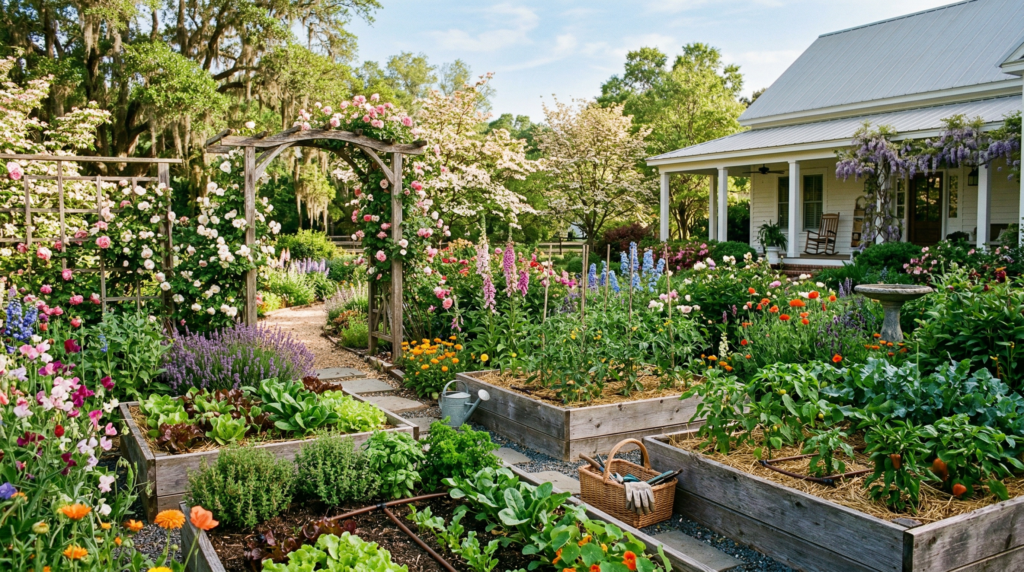
April is one of the most productive planting months for Spartanburg County gardeners in USDA Hardiness Zone 8a.
With the last average frost date now behind us, warm-season vegetables can go directly into garden beds. Tomatoes, peppers, squash, cucumbers, beans, and corn are all safe to plant now. For herbs, basil, dill, and cilantro thrive when planted in mid-April.
Ornamental plantings can also begin in earnest. Crepe myrtles, knockout roses, lantana, and zinnias all do well when planted this month in the Upstate. Mulching new plantings with 2 to 3 inches of hardwood mulch helps retain moisture during the warm, dry conditions forecast for this week.
The Clemson Cooperative Extension office in Spartanburg County is a resource for soil testing and planting calendars specific to the Upstate. The Spartanburg County Extension office can be reached at 864-596-2993.
With highs reaching the mid-80s this week and unusually dry conditions in the forecast, new plantings will need consistent watering until established.
What’s Happening
Q: When is the best time to start planting in Spartanburg’s USDA Zone 8a?
A: April is an ideal month to plant in Zone 8a, as frost risk has largely passed and soil temperatures are warming. Warm-season vegetables, annuals, and many perennials can be safely put in the ground throughout April.
Q: What vegetables grow well in Spartanburg during spring?
A: Tomatoes, peppers, squash, cucumbers, and beans all thrive in Zone 8a spring conditions. Cool-season crops like lettuce and spinach can still be planted early in the month before summer heat arrives.
Q: Why does Zone 8a matter for Spartanburg gardeners?
A: USDA hardiness zones help gardeners understand average minimum winter temperatures, which determines which plants will survive and thrive year-round. Zone 8a means Spartanburg gardeners have a long growing season with mild winters.
Q: What should residents know about gardening resources in Spartanburg?
A: The Clemson Extension office in Spartanburg County offers free gardening advice, soil testing, and plant selection guidance tailored to the local climate. Local nurseries can also recommend varieties suited specifically to the Upstate region.
Q: What happens next for local gardeners?
A: As spring transitions to summer, gardeners should prepare for Spartanburg’s hot, humid summers by mulching heavily and ensuring consistent watering schedules. Fall planting season for cool-season crops typically begins in late August.