The U.S. Department of Justice is investigating the Southern Poverty Law Center for alleged fraud, a move the Alabama-based nonprofit has characterized as a politically motivated attack on its civil-rights work, according to a DOJ announcement. The probe has reignited a long-running debate over how government agencies rely on the SPLC’s influential hate-group and extremism designations, which have featured in federal training materials and state homeland security briefings across the Southeast for more than a decade.
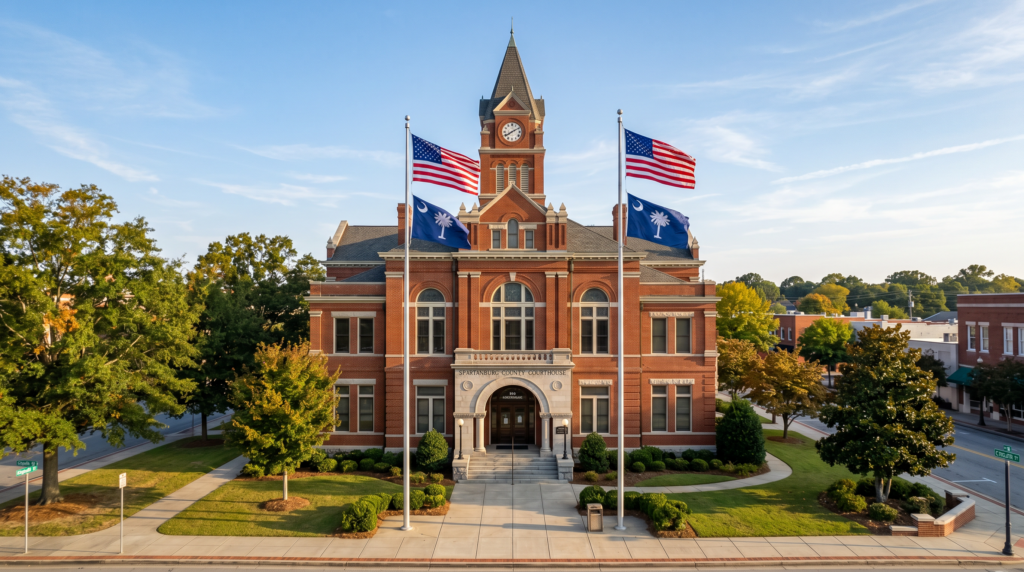
For Upstate South Carolina, the news carries direct relevance. The SPLC’s annual hate map has repeatedly flagged groups operating in and around Spartanburg County and the Greenville-Anderson corridor, and those designations have been cited in county-level training for school administrators and municipal employees. Any disruption to the organization’s methodology or publication schedule would change how local officials assess risk during events like large rallies at Barnet Park, political forums at the Chapman Cultural Center, or faith-based gatherings along Pine Street.
Rep. William Timmons, who represents Spartanburg County in South Carolina’s 4th Congressional District, has been a vocal critic of what he has described as SPLC overreach, per his House office public statements. His position aligns with members of the SC General Assembly who have questioned whether state agencies should continue to treat SPLC reports as authoritative. Sen. Lindsey Graham, South Carolina’s senior senator and the ranking member on the Senate Judiciary Committee, has similarly raised concerns about nonprofit accountability in statements from his office, a dynamic that could intensify as his 2026 re-election campaign takes shape.
The SC Attorney General’s office has not publicly commented on whether the state will join or mirror the federal probe, but the SC Ethics Commission maintains separate oversight over politically active nonprofits that operate in South Carolina. Spartanburg County Sheriff’s Office training curricula, obtained in prior public-records requests by regional outlets, include references to SPLC materials for extremist-indicator identification — a practice that could be reviewed if the DOJ investigation produces findings.
Economic ripple effects are modest but worth tracking. The SPLC is a major employer in Montgomery, Alabama, and maintains research contracts with academic institutions in the Carolinas. Wofford College and USC Upstate have, in past academic years, hosted speakers whose work intersects with SPLC research agendas. A protracted legal fight could affect the availability of speakers and curricular partnerships at Spartanburg-based campuses.
Local civic leaders are urging residents to follow developments directly through DOJ press releases rather than through politically aligned commentary. The OneSpartanburg Inc. chamber has previously hosted forums on civic discourse and extremism in partnership with regional faith groups — a framework that may become relevant again if the investigation prompts renewed discussion at the county level.
Readers can monitor official updates through the DOJ Office of Public Affairs newsroom and through filings on the Department of Justice press releases page. Spartanburg County Council meetings stream publicly through the county government portal for any local follow-up action.