

News Summary
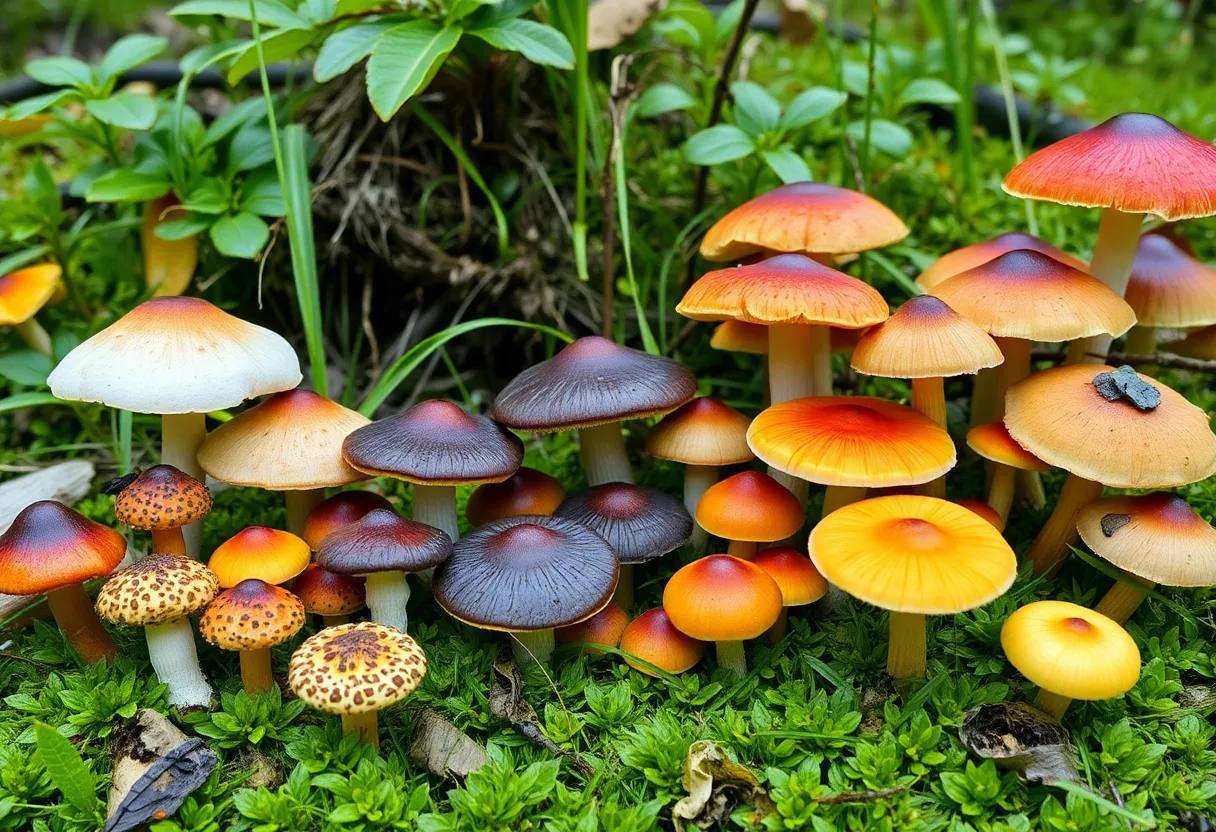
Following heavy rains in August, South Carolina has seen a remarkable increase in mushroom visibility across the state. Mycological experts attribute this surge to favorable weather conditions, which have prompted the emergence of various species, including the Parasol mushroom. The South Carolina Upstate Mycological Society has actively gathered specimens during this peak season. Local entrepreneurs, like The Mane Mushroom in Spartanburg, are also benefiting by producing gourmet mushrooms. Weather forecasts suggest upcoming changes that may impact this flourishing fungi community.
CHARLESTON, SC – A surge in fungal growth has been observed across South Carolina following heavy rains this August, according to local mycological experts. The increase in mushroom visibility, stretching from the mountains to the coast, can be attributed to the region’s favorable climate for fungal development, particularly after consistent rainfall.
As of August 16, members of the South Carolina Upstate Mycological Society collected an array of mushroom specimens at the Clemson Experimental Forest. Observations continued with the appearance of Parasol mushrooms around the Carolina Bay subdivision in Charleston on August 18. Data from mid-August reported over 5.81 inches of rainfall recorded at the Greenville-Spartanburg International Airport, indicating a significant increase compared to the average precipitation of 4.66 inches.
Local experts highlight that mushrooms are the fruiting bodies of fungi which emerge from extensive underground mycelium networks. Julia Kerrigan, an associate professor at Clemson University, emphasizes the relationship between heavy rains and mushroom growth, noting how their visibility often spikes following precipitation.
Ecological Importance and Diversity
The Southeast United States is widely recognized for its diversity of mushroom species, attributed to the genetic variety of local vegetation and animal life. It is estimated that South Carolina is home to at least 3,000 different species, a figure provided by the state Department of Parks, Recreation, and Tourism.
Mushroom forays led by the South Carolina Upstate Mycological Society (SCUMS), which hosts monthly meetings and expeditions, allow enthusiasts and experts to explore these fungi. While harvesting mushrooms is prohibited in state parks, it is allowed in designated areas like the Clemson Experimental Forest. Various species of mushrooms exist in South Carolina, ranging from edible types like chanterelles and chicken of the woods to more dangerous varieties.
Local Impact of Mushroom Growth
The unusual activity in the fungi community has not gone unnoticed in local towns. Christiaan Patterson, a meteorologist with the National Weather Service, noted a noticeable uptick in mushroom sightings in Greer, SC. This increase could influence both local foraging and the culinary scene.
One such establishment, The Mane Mushroom—a unique urban farm located in Spartanburg—has capitalized on this trend by producing approximately 40 pounds of gourmet mushrooms weekly. Owner Richard Henning, who transitioned from the e-cigarette industry to food production, aims to sustainably expand his operation to over 1,000 pounds. The farm offers a variety of mushrooms, including Blue Oyster, Chestnut, and King Trumpet Oyster, and sells them directly at local markets.
Future Trends and Environmental Considerations
Looking ahead, forecasters are noting that a potential cold front may disrupt the warm conditions currently promoting mushroom growth in the Southeast. This fluctuation in weather patterns may influence both the life cycle of local fungi and foraging activities.
Moreover, The Mane Mushroom is committed to sustainable practices, partnering with local nonprofits to ensure excess harvested mushrooms are distributed to those in need. As the interest in local and gourmet mushrooms grows, more residents may turn to foraging or purchasing from urban farms to explore the various culinary uses of these plants.
Conclusion
The recent influx of mushroom growth in South Carolina presents both a unique ecological phenomenon and an opportunity for local communities to engage with nature while benefiting from nutritious food sources. As enthusiasts venture into the woods and urban settings alike, the world of fungi continues to captivate and connect residents across the state.
Deeper Dive: News & Info About This Topic
HERE Resources
Additional Resources
- Post and Courier: South Carolina Mushrooms
- GoUpstate: Spartanburg Business Owner Transitions to Mushroom Farming
- Fox Carolina: Spartanburg County Sheriff’s Office Operation
- Wikipedia: Mycology
- Encyclopedia Britannica: Mushroom


Author: STAFF HERE SPARTANBURG
The SPARTANBURG STAFF WRITER represents the experienced team at HERESpartanburg.com, your go-to source for actionable local news and information in Spartanburg, Spartanburg County, and beyond. Specializing in "news you can use," we cover essential topics like product reviews for personal and business needs, local business directories, politics, real estate trends, neighborhood insights, and state news affecting the area—with deep expertise drawn from years of dedicated reporting and strong community input, including local press releases and business updates. We deliver top reporting on high-value events such as the Spartanburg International Festival, Spartanburg ArtWalk, and motorsport events at Spartanburg Speedway. Our coverage extends to key organizations like the Spartanburg Area Chamber of Commerce and the Spartanburg Regional Healthcare System Foundation, plus leading businesses in manufacturing and textiles that power the local economy such as BMW Manufacturing and Milliken & Company. As part of the broader HERE network, including HEREAiken.com, HEREBeaufort.com, HEREChapin.com, HERECharleston.com, HEREClinton.com, HEREColumbia.com, HEREGeorgetown.com, HEREGreenwood.com, HEREGreenville.com, HEREHiltonHead.com, HEREIrmo.com, HEREMyrtleBeach.com, HERENewberry.com, HERERockHill.com, and HERESpartanburg.com, we provide comprehensive, credible insights into South Carolina's dynamic landscape.