


How Can You Use Customer Journey Mapping to Enhance Your Digital Marketing Experience?
Understanding Customer Journey Mapping
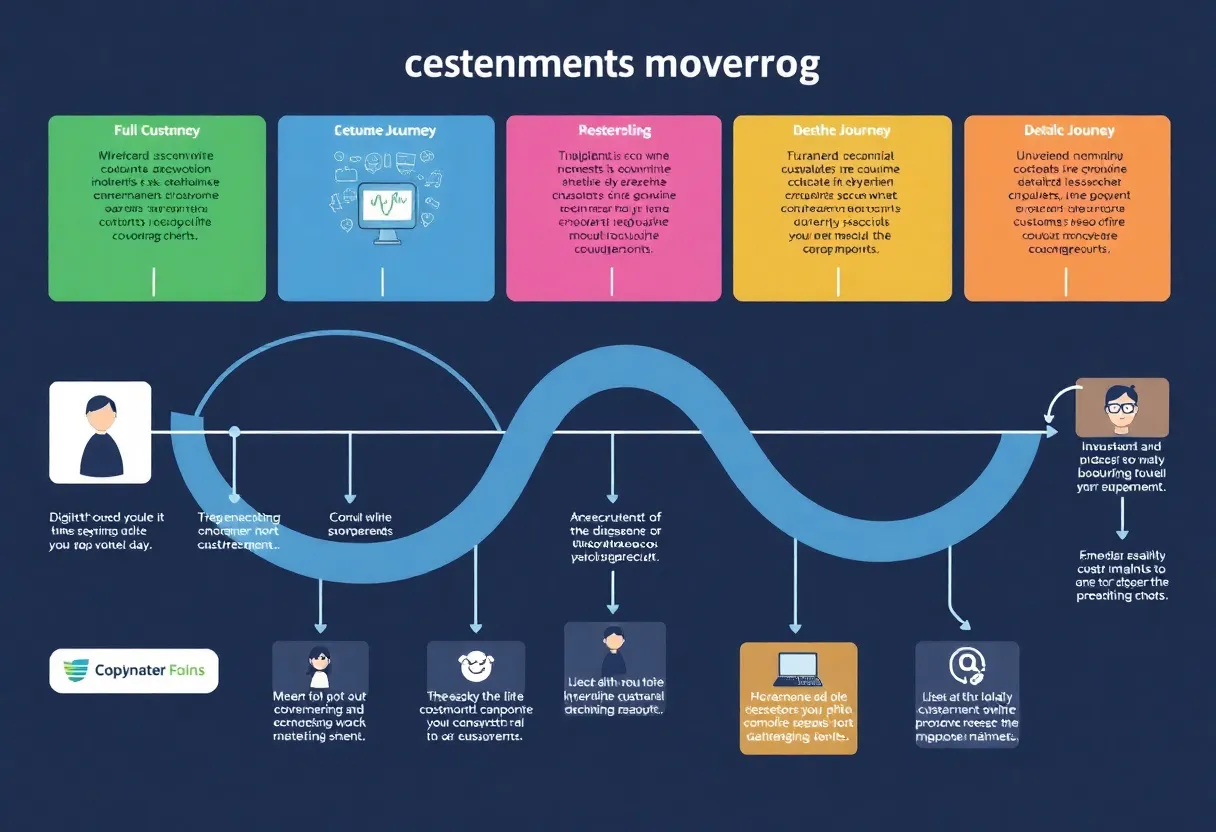
Customer journey mapping is a strategic process that visualizes how customers interact with a brand across various touchpoints. This method helps businesses understand customer behaviors and emotions while navigating their brand’s ecosystem. By elucidating each stage of the customer journey, organizations can significantly enhance their digital marketing strategies.
The Importance of Customer Journey Mapping in Digital Marketing
The digital landscape is intensely competitive. Brands must precisely target their audience and engage them authentically. Implementing customer journey mapping allows marketing teams to:
- Identify touchpoints: Recognize all interactions customers have with the brand.
- Gather insights: Understand customer needs and expectations at each stage.
- Optimize strategies: Refine marketing tactics based on mapped experiences.
Stages of Customer Journey Mapping
Awareness Stage
In this initial phase, potential customers become aware of a brand’s existence. Effective digital marketing tactics such as SEO, social media campaigns, and content marketing play a crucial role here. The goal is to attract attention and make a strong first impression.
Consideration Stage
During consideration, customers assess options and evaluate products or services. Here, brands should focus on tailored content that addresses potential questions or concerns. Engaging customers through personalized emails and informative web content can significantly improve their perception of the brand.
Decision Stage
In this critical phase, customers convert from prospects to buyers. Providing a seamless experience is vital. Simplifying checkout processes, offering clear call-to-action buttons, and ensuring transparency about prices can greatly enhance the likelihood of conversion.
Retention Stage
Once a purchase is made, the focus shifts to retaining customers. Effective digital marketing strategies in this phase can include loyalty programs, follow-up emails, and support services. Maintaining customer satisfaction is essential for long-term brand loyalty.
Advocacy Stage
The final stage involves transforming satisfied customers into brand advocates. Encouraging customers to share their experiences through reviews and referrals can significantly impact a brand’s reputation. Digital marketing strategies can amplify this effort by leveraging social media and user-generated content.
How to Create an Effective Customer Journey Map
Creating a customer journey map involves several key steps:
1. Define Customer Personas
Understanding who your customers are is foundational. Develop detailed personas that represent your target audience’s demographics, needs, and preferences. This classification will guide your mapping process.
2. Identify Touchpoints
Identify every touchpoint where customers interact with your brand. This could range from social media platforms to email communications and website interactions. Each touchpoint is an opportunity for engagement.
3. Map Customer Emotions
Customers experience various emotions at different stages. Document these emotions to understand pain points and areas for improvement. Acknowledging customer feelings can help enrich the marketing strategy.
4. Analyze Data
Utilize data analytics tools to gather information on customer interactions at each touchpoint. Metrics such as bounce rates, click-through rates, and conversion rates can provide valuable insights.
5. Implement Feedback Mechanisms
Encourage feedback from customers throughout their journey. Implement surveys, focus groups, or social media polls. Feedback will empower businesses to iterate and enhance their strategies effectively.
Utilizing Customer Journey Maps in Digital Marketing Strategies
Once your customer journey map is established, integrating it into digital marketing strategies becomes paramount. Effective approaches include:
1. Personalization
Utilize the insights gained to personalize marketing messages. Create targeted campaigns that resonate with specific customer needs throughout their journey. Tailoring content enhances engagement rates and fosters loyalty.
2. Content Marketing
Develop content that addresses customer concerns at each stage of the journey. Blogs, videos, and infographics that are relevant and informative will position your brand as a trusted resource. This strategy enhances brand credibility.
3. Multi-Channel Engagement
Engage customers across various digital channels. Ensuring a consistent brand voice and messaging across platforms strengthens brand recognition. This strategy promotes customer interaction and loyalty.
4. Data-Driven Decisions
Continuously analyze data to understand customer behavior patterns. Data-driven insights enable brands to pivot their marketing strategies effectively. This responsiveness is vital in maintaining relevance in a fast-paced digital world.
5. Measurement and Optimization
Establish metrics to measure the success of your digital marketing efforts. Use KPIs to evaluate the impact of changes made based on customer journey mapping insights. Optimization should be a constant process, ensuring alignment with evolving customer needs.
Challenges in Customer Journey Mapping
While customer journey mapping can significantly enhance digital marketing, challenges may arise during the process:
1. Complexity of Touchpoints
The variety of digital touchpoints can make it challenging to create a comprehensive map. Each channel has unique characteristics and demands distinct strategies.
2. Resource-Intensive
Developing and continuously updating customer journey maps can require considerable resources. Smaller teams may find it challenging to allocate the necessary time and expertise.
3. Rapidly Changing Customer Preferences
Customer preferences evolve rapidly, requiring constant monitoring and adjustment of strategies. This can complicate efforts in keeping the customer journey map relevant and effective.
Conclusion
Implementing customer journey mapping offers invaluable insights that can significantly enhance digital marketing experiences. By understanding customer behavior across different stages, businesses can craft more targeted, personalized strategies. This approach not only improves customer satisfaction but also drives loyalty and advocacy in the long run.
To fully leverage customer journey mapping, organizations must be committed to analyzing data and iterating their strategies regularly. The interplay between customer interaction and marketing efforts is dynamic. Staying adaptive and responsive is key to successful digital marketing in today’s landscape.