

How Can You Use Customer Journey Mapping to Optimize Your Digital Marketing Efforts?
In the evolving landscape of digital marketing, understanding the customer journey is more crucial than ever. Customer journey mapping is a strategic approach that allows businesses to visualize the steps a customer takes from awareness to purchase and beyond. This method can significantly enhance the effectiveness of your digital marketing strategies. Here’s how you can use customer journey mapping to optimize your efforts.
Understanding Customer Journey Mapping
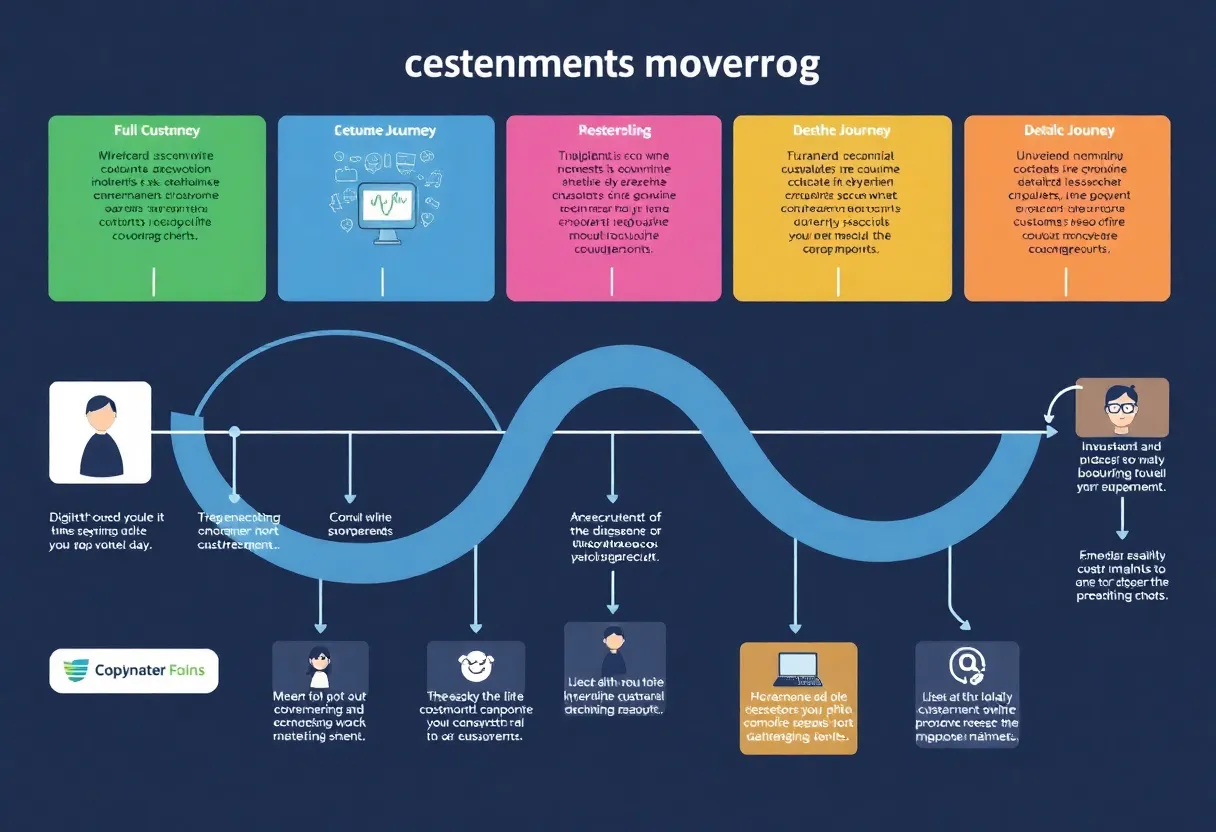
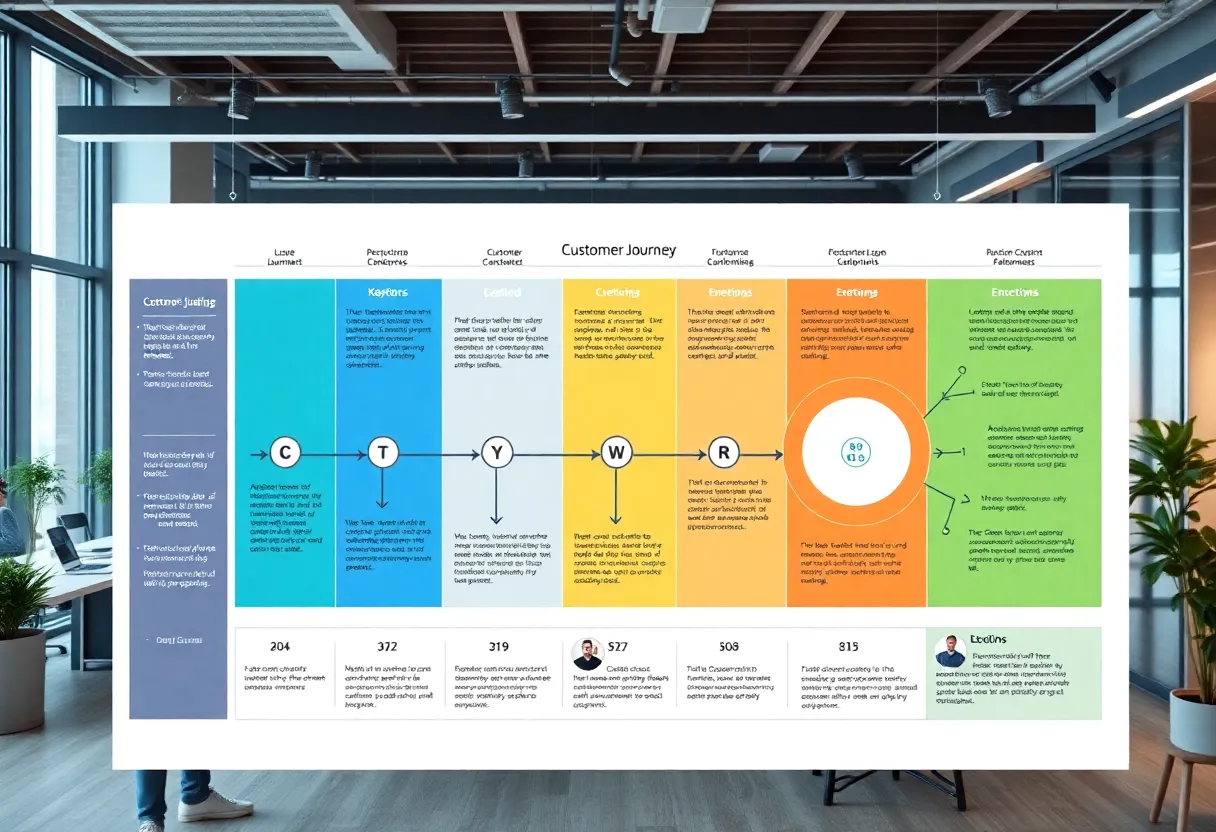
At its core, customer journey mapping is the process of creating a visual representation of the customer’s interactions with your brand. This includes all touchpoints, from the initial encounter to post-purchase engagement. The map serves as a valuable tool for identifying pain points, enhancing customer experiences, and refining marketing strategies.
Key Components of a Customer Journey Map
A comprehensive customer journey map typically includes:
- Customer Personas: Understanding demographics and psychographics.
- Stages of the Journey: Awareness, consideration, decision, and post-purchase.
- Touchpoints: All interactions across channels, both online and offline.
- Customer Actions: What customers do at each stage.
- Pain Points: Challenges customers encounter.
- Emotions: How customers feel at different stages.
- Opportunities: Potential improvements in the customer experience.
The Importance of Customer Journey Mapping
Customer journey mapping is not merely a theoretical exercise; it has real-world applications that can enhance your marketing efforts. Here are key reasons to implement this strategy:
1. Enhanced Customer Understanding
Mapping the customer journey helps businesses gain insights into their customers’ needs and behaviors. By identifying what drives customer decisions, marketers can tailor their messages to resonate more effectively.
2. Improved User Experience
Identify friction points within the customer journey. When you understand where customers struggle, you can remove barriers to conversion. This leads to an improved user experience and higher conversion rates.
3. Targeted Marketing Campaigns
Utilizing journey maps allows marketers to craft tailored campaigns that address specific customer segments at different stages in their decision-making process. This targeted approach is often more efficient and effective than generalized marketing efforts.
4. Aligning Internal Teams
Customer experience should be a company-wide initiative. A well-structured journey map fosters alignment among sales, customer service, and marketing teams, ensuring a cohesive approach to customer engagement.
Steps to Create an Effective Customer Journey Map
Creating a customer journey map can seem daunting, but it can be achieved through a structured process. Here’s a step-by-step guide to get you started:
Step 1: Define Your Goals
Determine the purpose of your customer journey map. What specific insights are you hoping to gain? Goals might include increasing conversion rates, improving customer satisfaction, or reducing churn.
Step 2: Identify Customer Personas
Gather data on your target audience. Create detailed customer personas based on demographics, behaviors, and preferences. This will help in understanding the variance in customer journeys.
Step 3: Map Out the Stages
Clearly delineate the stages of the customer journey. You can utilize a linear format, or a more complex diagram illustrating various paths customers may take. The stages typically encompass awareness, consideration, decision, and post-purchase.
Step 4: Identify Touchpoints
Document every point of interaction between the customer and your brand. This includes online channels such as social media, email, and your website, as well as offline elements like store visits and customer service calls.
Step 5: Gather Customer Feedback
Incorporate qualitative data from customer interviews, surveys, or focus groups. This insight can help validate or challenge assumptions made during the mapping process.
Step 6: Analyze and Adjust
After creating your map, analyze the identified touchpoints, emotions, and pain points. Look for trends and insights that can inform your marketing strategies. Make adjustments accordingly to enhance the customer experience.
Using Customer Journey Maps to Optimize Digital Marketing Strategies
Now that you have created a customer journey map, it’s essential to make use of it effectively in your digital marketing efforts. Here are several ways to optimize your strategies using this tool:
1. Content Marketing
Utilize the insights from your journey map to inform your content marketing strategy. Create content that speaks to your audience at each stage of their journey. This includes awareness content such as blog posts, comparison guides during the consideration stage, and product reviews for customers in the decision stage.
2. Targeted Email Campaigns
Segment your email lists based on where customers are in their journey. Develop personalized email campaigns that address specific needs, pain points, and interests. This targeted approach results in higher engagement rates and can effectively guide customers to the next stage.
3. Optimization of Conversion Paths
Review the touchpoints in your journey map, specifically around the conversion areas. Ensure that your website is user-friendly and provides clear calls to action. Use A/B testing to determine the best layouts and designs that enhance the conversion experience.
4. Social Media Engagement
Leverage social media as a touchpoint within your customers’ journeys. Use your journey map to understand the emotional state of customers at various stages. Engage them with relevant content, respond to inquiries, and cultivate a sense of community.
5. Post-Purchase Experience
The journey does not end after a purchase. Utilize your mapping insights to enhance the post-purchase experience. Follow-up emails, customer surveys, and loyalty programs can all be streamlined based on the customer’s journey.
6. Continuous Monitoring and Improvement
Customer behaviors change. Regularly review and update your customer journey map. Continuously monitor campaign performances and customer feedback to make informed adjustments to your strategies.
Conclusion
Customer journey mapping is an essential tool in the realm of digital marketing. By understanding the complete customer experience from start to finish, businesses can more effectively target their marketing efforts, improve customer satisfaction, and ultimately enhance profitability.
As the marketplace continues to evolve, investing in the creation and analysis of customer journey maps will enable businesses to stay ahead of the competition and cater to their customers’ needs effectively.