What Parents Must Know Before Their Child Signs Anything
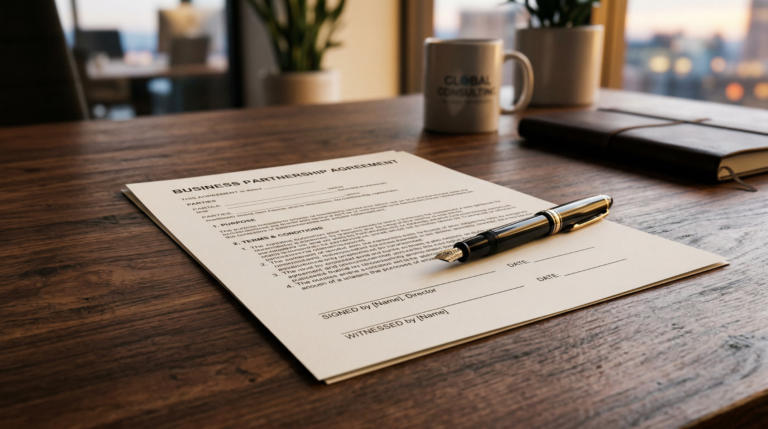
Your child just got offered a NIL deal. Maybe a local Spartanburg business wants them to post on Instagram. Maybe a regional brand wants them for an appearance. The excitement is real, but before any agreement is signed, there are critical questions that need answers and conversations that need to happen at the kitchen table.
The most important thing parents can do is slow down. No legitimate NIL deal will disappear because you took 48 hours to review the terms. Any business or agent that pressures a minor into signing immediately is waving a red flag that should end the conversation.
Vetting a Deal Partner
Before your child partners with any business, verify the company is legitimate and operating legally. Search for the business name plus reviews, complaints, and Better Business Bureau status. Confirm the contact person is an authorized representative of the company. Ask for references from other athletes they have worked with. If a deal involves a sports agent or advisor, verify they hold proper licensing in South Carolina.
Red Flags in NIL Contracts
Watch for exclusivity clauses that prevent your child from working with competitors for extended periods. A local restaurant asking for a 30-day exclusivity window is reasonable. A brand demanding 12 months of exclusivity across an entire industry is not. Look for performance guarantees that tie payment to follower counts, engagement rates, or conversion metrics the athlete cannot control. Check for automatic renewal clauses that extend the agreement without explicit opt-in.
Protecting Eligibility
SCHSL eligibility is the priority that overrides every dollar offered. Ensure every deal is disclosed to the school on time. Confirm that no school logos, uniforms, or district branding appear in any content produced for the deal. Verify that NIL activities do not conflict with practice schedules, game times, or academic requirements. One missed disclosure form can cost your child their spot on the team.
The Money Conversation
NIL income is self-employment income subject to federal and state taxes plus self-employment tax. Help your child set aside 25 to 30 percent of every payment for taxes. Open a separate bank account for NIL income to keep it cleanly separated from allowance money or gifts. Begin tracking expenses related to NIL activities from day one. These habits will prevent a painful tax surprise in April.
What is Happening
Q: What should parents check before their child signs a NIL deal?
A: Verify the business is legitimate, check for exclusivity and automatic renewal clauses, confirm SCHSL disclosure compliance, and ensure no school branding is involved.
Q: How much should athletes set aside for taxes on NIL income?
A: Set aside 25 to 30 percent of every NIL payment for federal income tax, state income tax, and self-employment tax.
Q: Can a NIL deal affect my child SCHSL eligibility?
A: Yes. Failure to disclose deals, use of school logos in NIL content, or activities that conflict with team obligations can result in eligibility consequences.