April Planting Guide for Spartanburg County: What to Plant Right Now in USDA Zone 8a
Mid-to-late April is one of the most productive planting windows of the year for Spartanburg County gardeners. With the last average frost date for USDA Hardiness Zone 8a in the rearview mirror — typically around March 15 to March 25 in the Spartanburg area — gardeners can now safely establish warm-season crops, summer annuals, and a broad range of perennials and shrubs without frost risk.
Zone 8a encompasses most of Spartanburg County, characterized by average annual extreme minimum temperatures between 10°F and 15°F. The combination of the Upstate’s moderate springs, hot summers, and mild falls gives zone 8a gardeners an extended growing season that runs from late March through early November for most crops.
Vegetables to Plant Now
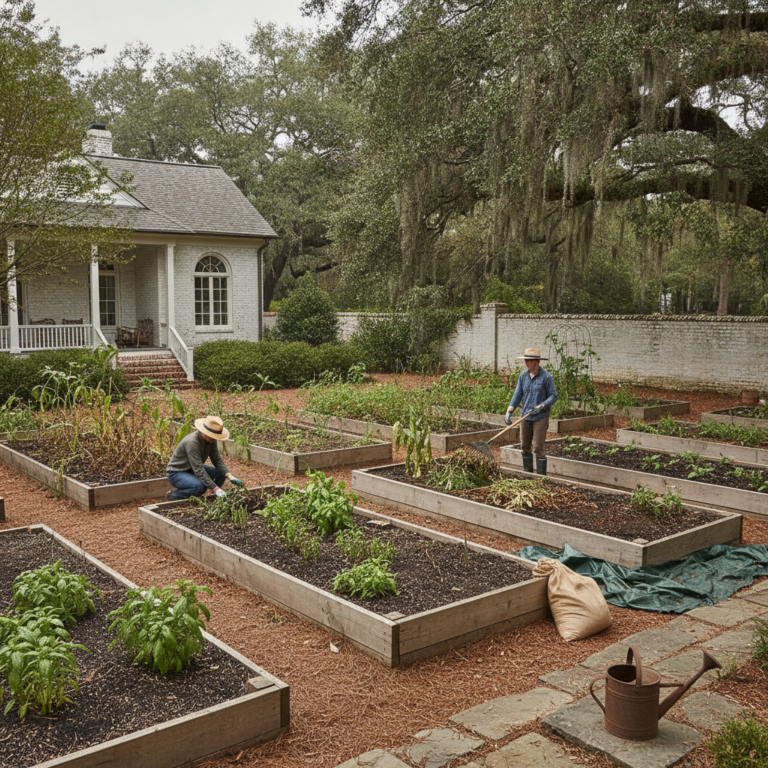
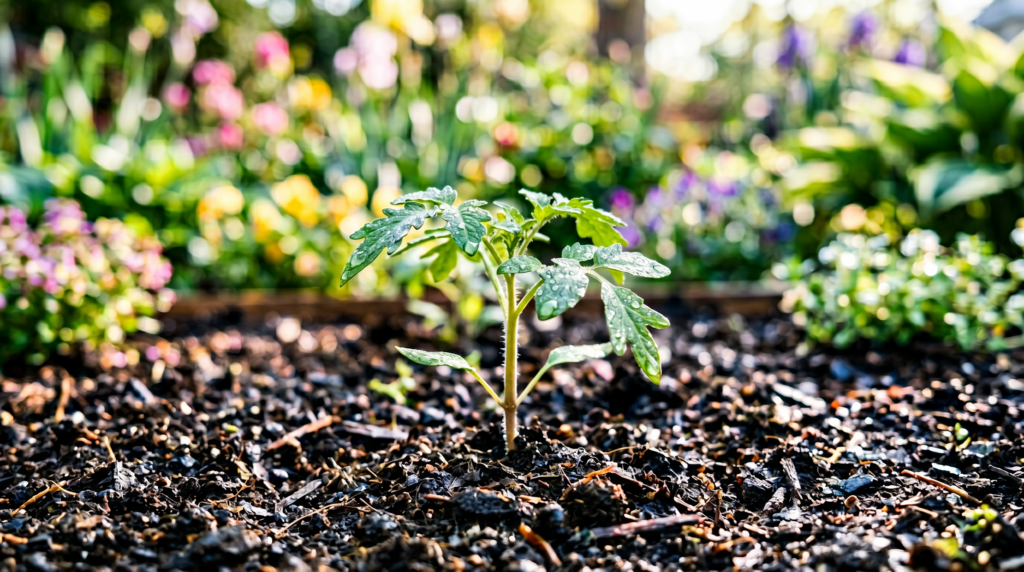
April is the time to get warm-season vegetables in the ground in Zone 8a. Tomatoes, peppers, eggplant, and squash transplants can all go in now that nighttime temperatures are consistently above 50°F. Cucumbers and beans can be direct-seeded. Sweet corn planted in late April will typically reach harvest by mid-to-late July.
Okra — a Southern garden staple and a particularly well-adapted crop for Spartanburg’s hot summers — should be direct-seeded once soil temperatures reach 65°F, which typically occurs by late April in the county.
Flowers and Landscape Plants
Summer annuals including zinnias, marigolds, cosmos, and celosia can be direct-seeded or transplanted in April. Caladiums, a spectacular foliage plant that thrives in Spartanburg’s summer heat, should be planted once soil temperatures reach 70°F — usually early to mid-May in Zone 8a, but can start going in now in protected, south-facing beds.
Native plants that are excellent for Zone 8a Upstate gardens include black-eyed Susan, coneflower (Echinacea), native salvia, Joe-Pye weed, and native azaleas. These plants are highly adapted to the region’s climate and require minimal supplemental irrigation once established.
Lawn Care in April
Bermudagrass and zoysia lawns — common in Spartanburg County — are greening up rapidly in April and can receive their first fertilizer application of the season once they are fully green. Wait until the grass is actively growing before fertilizing to avoid nutrient loss and weed promotion.
Fescue lawns, which are cooler-season grasses that do well in the shadier parts of Zone 8a yards, should NOT receive heavy fertilization in April as they will struggle in summer heat regardless of nutrient status. Apply pre-emergent herbicide if crabgrass was an issue last year.
WHAT’S HAPPENING — Q&A
Q: Is it safe to plant tomatoes and peppers outdoors in Spartanburg now?
Yes. With Spartanburg County’s last average frost date behind us (mid-to-late March in Zone 8a), tomatoes, peppers, and other warm-season transplants can safely go in the ground in late April.
Q: What is USDA Zone 8a?
USDA Zone 8a covers most of Spartanburg County and is defined by average annual extreme minimum temperatures of 10°F to 15°F. It allows a long growing season from late March through early November.
Q: When should I fertilize my Bermudagrass lawn?
Wait until your Bermudagrass or zoysia is fully green and actively growing before applying fertilizer in spring. Fertilizing dormant or partially dormant warm-season grasses wastes nutrients and can promote weeds.
Q: What native plants grow well in Spartanburg County gardens?
Native plants well-suited to Zone 8a Upstate gardens include black-eyed Susan, coneflower, native salvia, Joe-Pye weed, and native azaleas — all adapted to the Upstate climate and requiring minimal supplemental water once established.
Jade Q. Duncan covers weather, seasonal living, and home and garden topics for HERE Spartanburg. She writes seasonal planting guides for USDA Zone 8a and covers how Upstate climate conditions affect Spartanburg County agriculture and outdoor living.