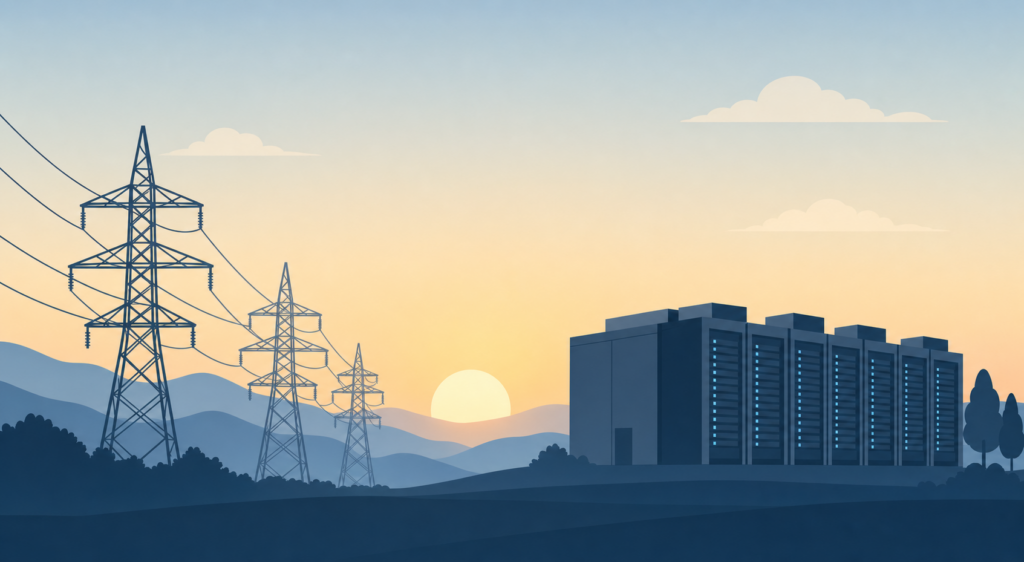
Spartanburg-area businesses, schools, and households are hearing more about new computing buildouts because they can affect power demand, construction timelines, and equipment availability. Here’s what to know about ai infrastructure stories keep power and hardware capacity in business focus and what you can do locally to stay prepared.
Key points
- Current tech-business coverage continued to center on AI infrastructure, data-center capacity, hardware demand, and energy planning.
- The item is built as a business-technology context update because the available cycle included multiple AI infrastructure and capital-allocation signals.
- City-specific follow-up angles depend on verified local utility, employer, campus, zoning, or data-center facts.
What it could mean around Spartanburg
When large computing projects expand, ripple effects can show up in very practical places: electric capacity planning, lead times for networking and cooling equipment, and competition for skilled trades. You may also notice more conversations about backup power, building permits, and long-term utility upgrades.
A practical checklist for this week
- If you run a small business, list the digital services you can’t operate without (internet, point-of-sale, customer messaging) and confirm you have a basic outage plan and contact list.
- If you manage facilities, note the age and service status of HVAC and any server-room cooling, and schedule preventive maintenance before the hottest stretch of summer.
- If you’re shopping for a new computer, router, or phone, compare availability and delivery dates early—don’t wait until the day you need it.
- If you rely on cloud tools for work or school, turn on account recovery options and store key documents in an offline-accessible folder for emergencies.
Bottom line: You don’t need to be a tech expert to benefit from these shifts. Track what you depend on, verify timelines before purchases or projects, and keep a simple backup plan for the essentials.
One helpful habit: whenever you see a headline about big tech buildouts, write down the concrete details (location, timeline, capacity, and the kind of infrastructure involved). That turns noise into a short list you can check against your own needs over time.