Summer is prime time to fish across the Upstate—from neighborhood ponds to bigger water a short drive away. But July and August also bring the combination that causes most warm‑weather problems on the water: high heat, fast‑building afternoon storms, and long hours in direct sun.
This guide is a practical, non-technical checklist to help Spartanburg-area anglers plan a safer outing. It’s not a substitute for training or local rules—if you’re unsure about conditions, postpone the trip or ask a marina, outfitter, or park office what they’re seeing that day.
1) Do a quick “conditions check” before you leave
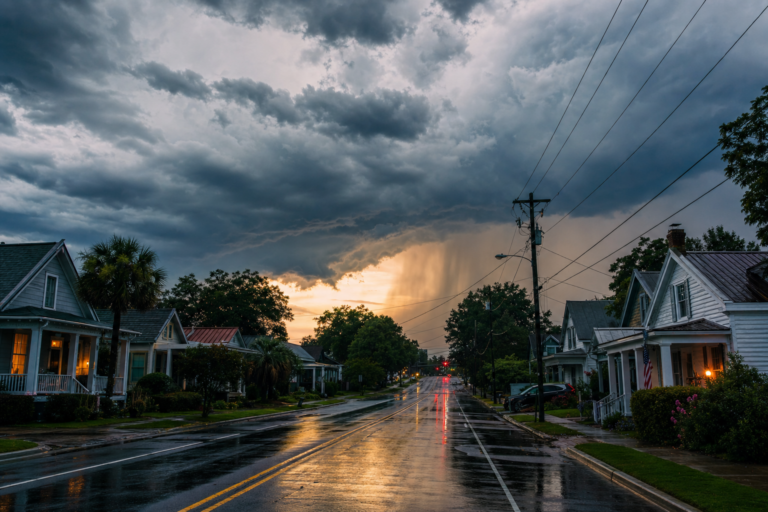
- Look for storms, not just rain. In summer, lightning can arrive before steady rainfall. If thunder is possible in the window you’ll be on the water, plan an earlier start or a shorter session.
- Expect heat to build. If you’re fishing late morning through afternoon, plan extra shade and water and consider a shorter trip.
- Tell someone your plan. Share where you’re going, who you’re with, and when you expect to be back—especially if you’ll be alone.
2) Heat safety: keep a simple hydration-and-cooling plan
- Bring more water than you think you’ll need. A good rule is to pack enough that you could comfortably stay an extra couple of hours if you had to.
- Use shade on purpose. An umbrella, a small pop-up shade on shore, or planned breaks under a tree can make a big difference.
- Watch for early warning signs. Headache, nausea, unusual fatigue, dizziness, and heavy sweating can be early signs of heat stress. If anyone in your group looks “off,” stop fishing, move to shade, cool down, and hydrate.
- Plan around medications and health conditions. Some conditions and medications can make heat harder to tolerate. If that applies to you, consider fishing at cooler times of day and bringing a buddy.
3) Lightning and storms: decide your exit point before you cast
- Know where you’ll go if weather changes. Identify a safe place to get off the water and into a substantial building or a hard-topped vehicle.
- Don’t “wait out” thunder on open water or an exposed bank. If you can hear thunder, it’s time to move toward shelter.
- Pack a dry bag. Keep a phone, car keys, and a basic first-aid kit protected so a sudden downpour doesn’t become an emergency.
4) Life jackets and flotation: make it automatic
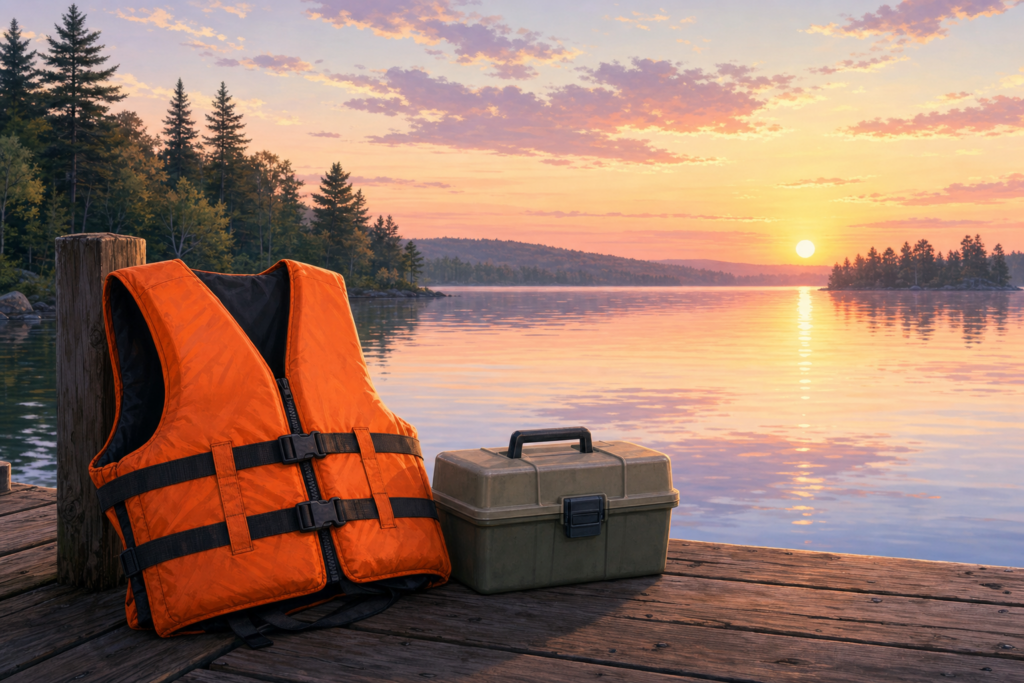
- Wear a life jacket on boats, kayaks, and canoes. Conditions can change quickly, and even strong swimmers can be overwhelmed by sudden wind, waves, or a fall.
- Check fit and condition. Make sure straps and buckles work and that the jacket fits the person who will wear it—especially for kids.
- Keep flotation accessible. If you’re shore fishing with kids, consider a properly fitted life jacket in the car as a default for steep banks, docks, or deep water.
5) Basic hook-and-knife safety that prevents most “day-ruiners”
- Use pliers, not fingers. Long-nose pliers and hemostats reduce punctures when removing hooks.
- Control your casting lane. Before every cast, confirm who is behind you—especially on crowded banks and docks.
- Handle knives like tools, not accessories. Cut away from your body, keep blades sheathed when not in use, and store them securely in a tackle bag.
6) A quick “before you go” gear checklist
- Fully charged phone (or a portable battery pack)
- Water + an electrolyte option for longer trips
- Sunscreen + hat + sunglasses
- Light rain jacket or poncho
- Small first-aid kit (bandages, antiseptic wipes, tweezers)
- Insect repellent
- Whistle (useful on the water and for kids)
- Dry bag or zip bags for essentials
7) If something goes wrong: keep it simple
- Heat illness: stop activity, move to shade, cool the person down (wet cloths, fan, cool drinks if they can swallow), and seek urgent help if symptoms are severe or worsening.
- Hook injury: control bleeding, avoid “DIY” removal if the hook is deep or near the eye/face, and get medical care.
- Storms: get off the water early and aim for proper shelter—don’t take risks for “one more cast.”
Bottom line: A safe fishing day in Spartanburg usually comes down to three habits: plan your exit for storms, protect yourself from heat, and keep sharp gear under control. Do those, and most summer outings stay fun and low-stress.