The South Carolina Department of Public Health is urging all South Carolinians — including Spartanburg County residents — to complete hurricane preparedness steps before June 1, 2026, when the Atlantic hurricane season officially begins. The advisory, released on May 4 as part of National Hurricane Preparedness Week and South Carolina Hurricane Preparedness Month, comes with specific guidance on emergency kits, evacuation zones, and medical support resources available through the state.
Although Spartanburg County sits inland and is not on the coast, the region is not immune to tropical impacts. Remnants of tropical storms and inland flooding from hurricanes have historically reached the Upstate, with the Pacolet River, Tyger River, and Enoree River all subject to significant flood events during powerful storm seasons. The South Carolina Emergency Management Division identifies the period from June through November as the highest-risk window for tropical storms and hurricanes in the state, and DPH’s advisory covers all South Carolinians within that threat window.
Dr. Edward Simmer, interim DPH director, said in the release: “While storms and hurricanes cannot be prevented, there are steps South Carolinians can and should take to protect themselves and their families. We encourage everyone in our state to update their plans and make the necessary preparations in advance of each hurricane season. South Carolina was spared major impacts during the 2025 hurricane season; however, we must always remain vigilant.”
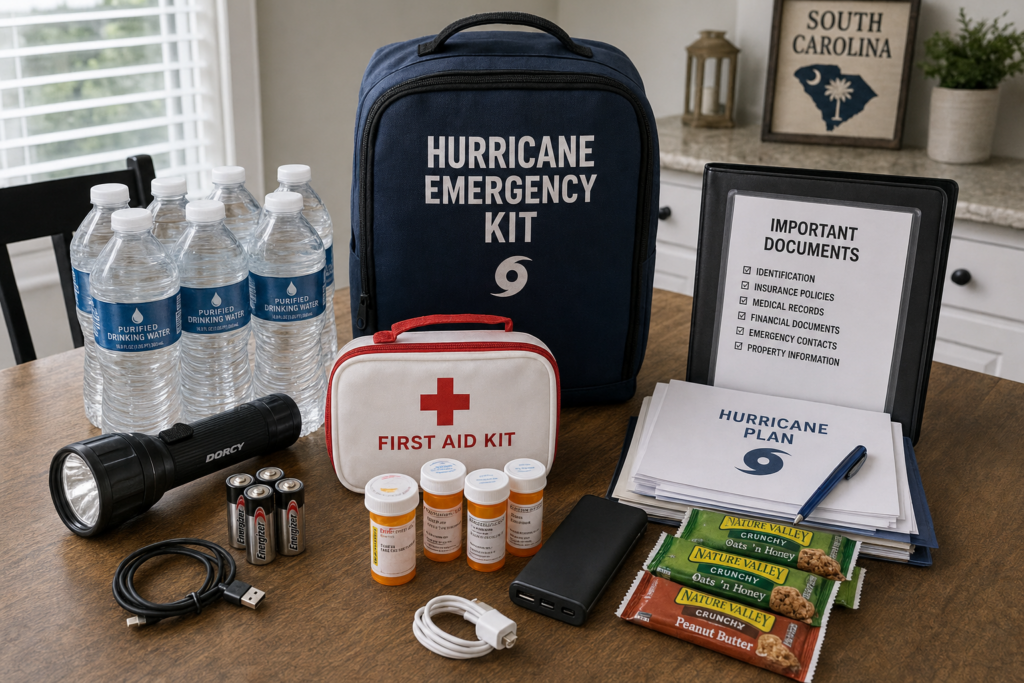
DPH recommends three core preparedness steps for all households. First, staying informed: South Carolinians should identify reliable sources — local emergency management agencies, the National Weather Service, and SCEMD’s official channels — before a storm develops, not during one. Second, building or updating an emergency kit tailored to the specific needs of the household, including medications, important documents, phone chargers, non-perishable food, water, and any specialized items for children, elderly family members, or individuals with disabilities. Third, knowing your evacuation zone: coastal residents should understand their storm surge risk and the specific evacuation route designated for their zone.
For Spartanburg residents who depend on powered medical equipment or require hospital-grade support, the South Carolina Department of Public Health operates Medical Equipment Power Shelters (MEPS) — facilities equipped with generator power specifically for individuals who need continuous electricity for medical devices or a hospital bed. Residents seeking access to a MEPS during an emergency can call 833-351-9990, where transport arrangements can also be made if needed. DPH does not provide clinical health care services inside MEPS, and individuals should bring a responsible adult companion when using the shelter.
SCEMD has released its 2026 South Carolina Hurricane Guide and operates a dedicated hurricane preparedness website at hurricane.sc. The agency’s mobile app, SC Emergency Manager, is available on both the Apple App Store and Google Play. Coastal residents can use the app to determine their specific evacuation zone based on their phone’s GPS location or by entering an address manually.
DPH also plays an active role during storm recovery, providing health department services, WIC nutrition support for eligible women and children, and Tdap immunizations and other vaccines appropriate to the emergency type at locations established in affected areas. Spartanburg residents who want to review their household preparedness status, including MMR and other routine immunizations, can use DPH’s online vaccine locator to find nearby providers. The agency’s Hurricanes and Floods webpage provides detailed guidance on actions to take before, during, and after a major storm.