Hot weather is part of summer in Spartanburg, but stretches of dangerous heat can turn ordinary errands, youth sports, and holiday cookouts into a real health risk. Forecast discussions around the country are keeping heat safety and power-demand planning in view as the July 4 travel and event window approaches. For Upstate families, the most useful approach is simple: treat heat like any other hazard and plan for it.
Below is a practical checklist you can use today, whether you work outdoors, you’re driving to lakes and parks, or you’re hosting people at home.
### 1) Start with a plan for timing and shade
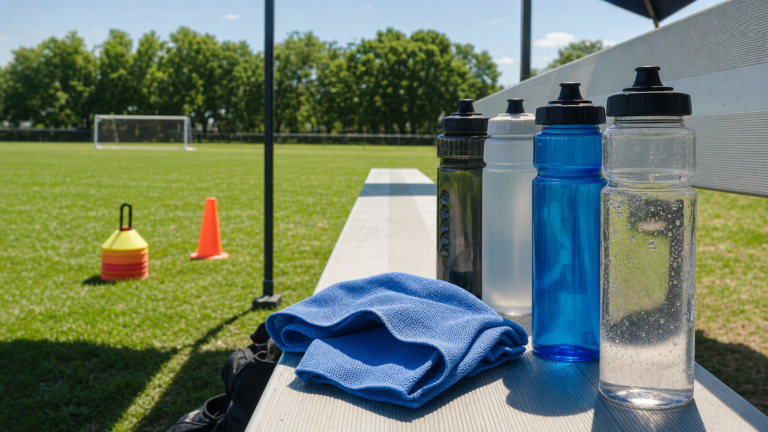
If you can, move strenuous outdoor work and exercise to early morning or later evening. Build in shade breaks, and don’t assume a breeze makes it safe—humidity matters. For youth activities, ask coaches and organizers about water breaks and heat policies.
### 2) Hydration and food: make it easy to do the right thing
Bring more water than you think you’ll need, and start hydrating before you feel thirsty. If you’re outside for long stretches, include snacks or meals with salt and potassium (unless a clinician has told you to limit them). Avoid relying on alcohol or energy drinks as “hydration.”
### 3) Know the red flags—and act early
Heat exhaustion can look like heavy sweating, headache, dizziness, nausea, cramps, or unusual fatigue. Heat stroke is an emergency and can involve confusion, fainting, or very hot skin. If someone’s symptoms are severe or worsening, call 911.
### 4) Make your home cooling-ready before the hottest part of the day
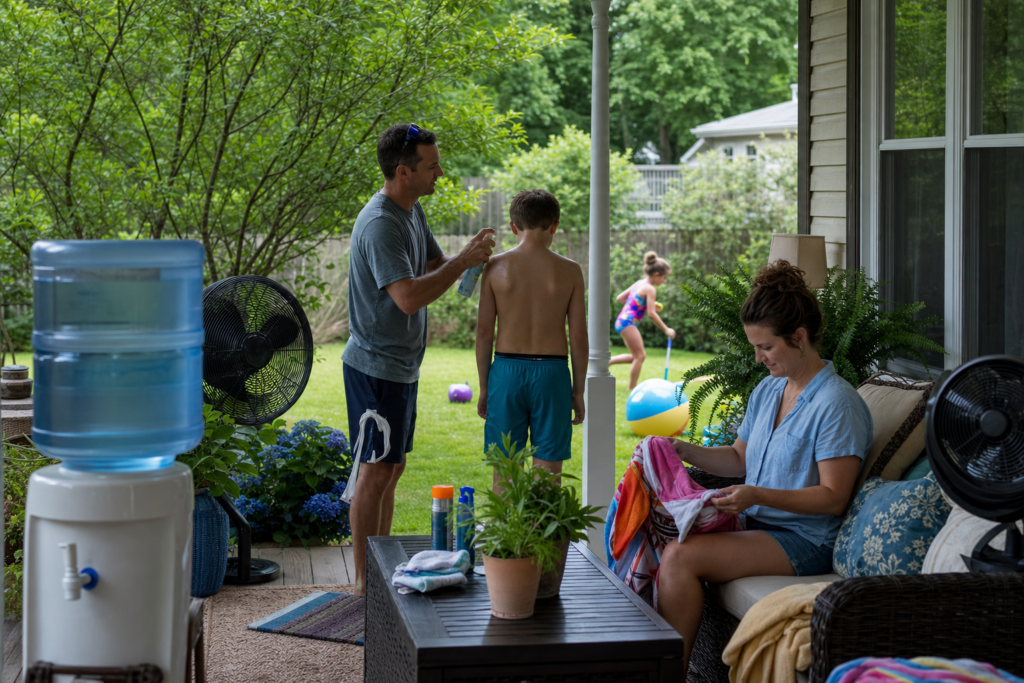
Close blinds or curtains on sunny windows, use fans to move air, and check that your AC filter is clean. If your home struggles to stay cool, think ahead about where you could safely spend the hottest hours—public buildings, a friend’s home, or an air‑conditioned business.
### 5) Prepare for brief power interruptions
High demand can stress the electric system in many regions during heat. Have phone chargers ready, keep a few bottles of water chilled, and know how you’ll keep medications cool if needed. If the power goes out, move to the coolest room, avoid running grills indoors, and check on anyone who may need extra support.
### 6) Check on vulnerable neighbors—especially during multi-day heat
Older adults, people living alone, young children, and anyone with chronic health conditions can be at higher risk. A quick call, a short porch visit, or offering a ride to an air‑conditioned spot can prevent a crisis.
### 7) Pets and cars: don’t take shortcuts
Never leave kids or pets in a parked car, even “for a minute.” Pavement can burn paws fast; pick cooler walking times and bring water for pets too.
### What’s happening / quick FAQ
**Is this just a ‘hot day’ issue?** Heat is more dangerous when it lasts multiple days, nights stay warm, and humidity stays high.
**What should I do if I work outside?** Talk with your supervisor about scheduled breaks, water access, and adjusting the most physical tasks to cooler hours.
**Where can I find local updates?** Watch forecasts and advisories for Spartanburg County and nearby Upstate areas, and keep an eye on changes in heat index (how hot it feels with humidity).
If you’re planning July 4 events, consider building heat safety into the plan the same way you plan food safety: shade, water, breaks, and a backup indoor option.