When temperatures and humidity climb in Spartanburg, the body can struggle to cool itself—especially during long outdoor shifts, sports practices, yard work, or festivals. Heat illness can start subtly and worsen quickly, so it helps to know what to watch for and how to structure a hot-day routine. This guide summarizes common warning signs and low-risk steps households can take to reduce heat stress.
How heat can affect the body
Heat exposure raises core body temperature. Sweating helps, but high humidity, direct sun, and heavy exertion can overwhelm cooling. Some medicines and chronic conditions can also affect how a person handles heat, so a plan should be individualized.
Early warning signs to take seriously
People describe heat illness differently, but common early signs include unusual fatigue, headache, dizziness or lightheadedness, nausea, muscle cramps, heavy sweating, and feeling faint. If someone becomes confused, stops sweating despite heat, faints, or has worsening symptoms, treat it as urgent and get help right away.
A practical Spartanburg hot-day plan
- Time outdoor tasks: Do strenuous chores early or later in the day when possible, and build in cooling breaks.
- Hydration routine: Drink water regularly before feeling thirsty. If you sweat heavily, talk with a clinician about whether you need an electrolyte plan.
- Shade and airflow: Use shaded areas, fans, and light clothing to help sweat evaporate.
- Check indoor conditions: If home cooling is limited, identify public indoor options (libraries, community centers, malls) before the hottest stretch.
- Watch children and older adults: They can overheat faster; do extra check-ins during peak heat.
- Vehicles are not cooling rooms: Never leave anyone in a parked car, even briefly.
- Outdoor sports: Build longer warm-up and cooldown windows, shorten drills, and pause when symptoms appear.
What to do if someone feels overheated
Move the person to a cooler place, loosen extra clothing, and use cool cloths, a shower, or a fan to help reduce heat load. Sip water if the person is alert and not nauseated. If symptoms escalate or there is confusion, fainting, or inability to cool down, get emergency help.
Heat-safety checklist for the next 48 hours
- Check the local forecast and plan work and errands around the hottest hours.
- Confirm your home cooling plan (AC settings, filters, fans, and backup options).
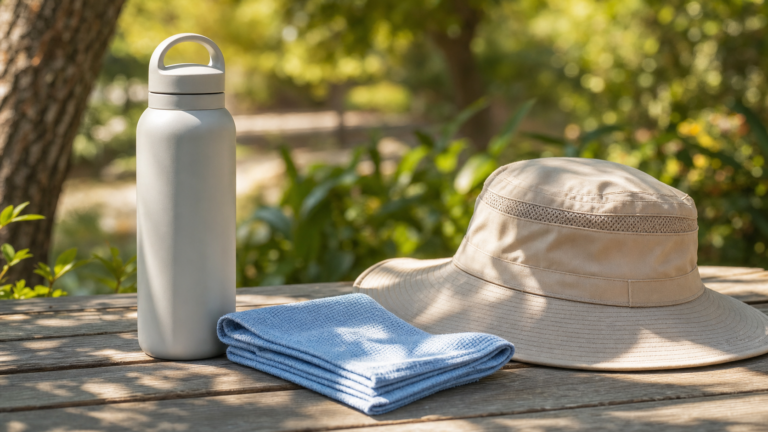
- Pack a small heat kit: water, sunscreen, a hat, and a cooling towel.
- Do a buddy check for outdoor work, sports, or events.
- Review symptoms with family members so someone can notice changes quickly.