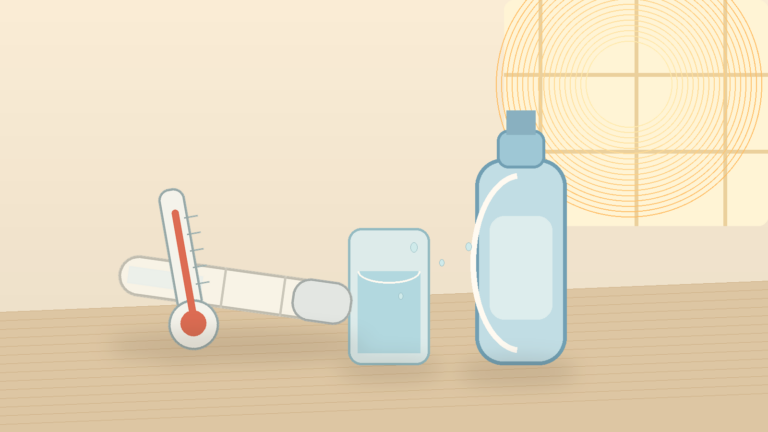
Spartanburg summers can turn dangerous quickly when high temperatures and humidity stack up for several days. Heat exhaustion is serious, but heatstroke is a medical emergency that requires urgent help. Knowing what to look for — and what to do in the first few minutes — can make a real difference while you wait for professionals.
What heatstroke is (and why it’s different from heat exhaustion)
Heat-related illness exists on a spectrum. People often start with heat cramps or heat exhaustion, then worsen into heatstroke if their body can’t cool down. Heatstroke generally means the body’s temperature regulation is failing and the person may have neurological symptoms such as confusion or loss of consciousness.
Heatstroke warning signs to take seriously
Call 911 right away if you suspect heatstroke. Warning signs can include:
- Confusion, disorientation, agitation, or unusual behavior
- Fainting or inability to stay awake
- Seizure
- Very hot skin (which may be dry or sweaty)
- Rapid breathing or a fast pulse
- Severe headache, nausea, or vomiting
Some people are at higher risk during extreme heat, including older adults, infants and young children, people who work outdoors, athletes, and anyone with medical conditions or medications that affect hydration, sweating, or heart rate.
What to do immediately while you wait for help
Heatstroke is an emergency. While you’re waiting for 911 responders, focus on getting body temperature down safely:
- Move the person to shade or an air-conditioned space.
- Loosen or remove excess clothing.
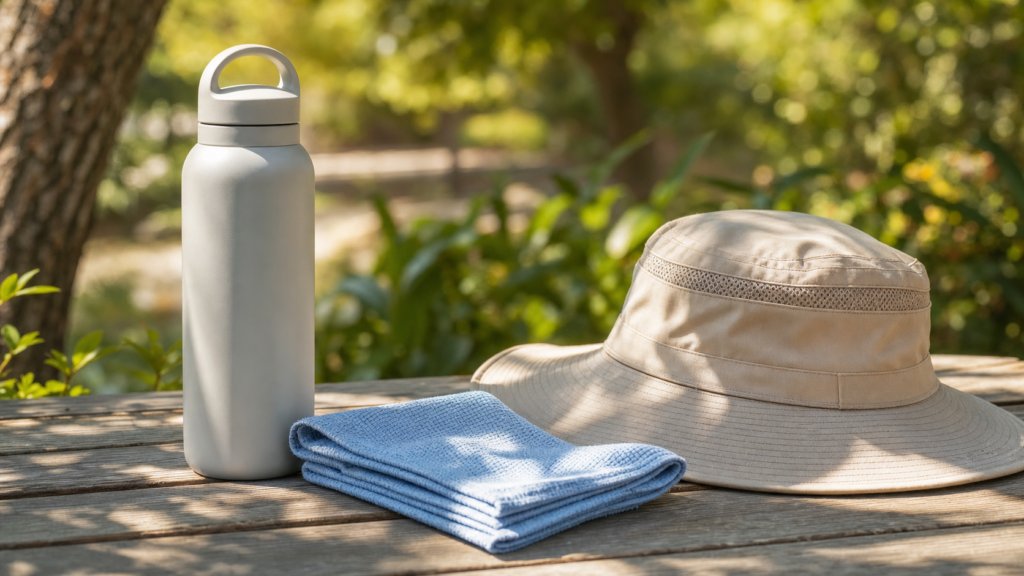
- Start active cooling: apply cool wet cloths, a cooling towel, or ice packs to the neck, armpits, and groin.
- Fan the person to increase evaporation.
- If they are conscious and able to swallow, sip small amounts of water. Do not force fluids.
A Spartanburg extreme-heat checklist (before the hottest part of the day)
- Plan indoor breaks if you work outdoors. Set timers for water, shade, and cooldowns.
- Check your AC early. If it’s struggling overnight, make a backup plan for the next afternoon.
- Know your fastest cool-down location: a friend’s house, a library, a community center, or a workplace break room.
- Change workout timing to early morning or late evening and shorten sessions.
- Never leave kids or pets in a parked car, even for a quick stop.
- Do a buddy check: during multi-day heat, ask an older neighbor or family member how they’re feeling and whether they have enough water and a cool place to rest.
When to seek medical care
If you suspect heatstroke, call 911. If symptoms are milder but you’re worried — especially if the person isn’t improving after cooling efforts — seek medical care promptly. Heat illness can worsen quickly, and it’s safer to have a clinician evaluate symptoms than to “wait it out.”
Bottom line
Extreme heat is a real health risk in Spartanburg. Learn the warning signs, treat heatstroke as an emergency, and build simple routines — shade, water, cooling breaks, and check-ins — that help your household get through the hottest stretches safely.