Spartanburg is heading into the heart of summer with a familiar but serious pattern: prolonged daytime heat paired with warmer nights that don’t cool off as much as people expect. That combination matters because your body gets less time to recover, and heat-related illness risk can build day after day.
Below is a practical, local-first checklist you can use this week, especially if you have kids in summer activities, work outside, or are planning backyard gatherings and July 4 outings.
### 1) Plan your day around the hottest hours
If you can, move outdoor chores and workouts to early morning or later evening. Midday heat can push conditions from “uncomfortable” into “unsafe” faster than you think, especially when humidity is up.
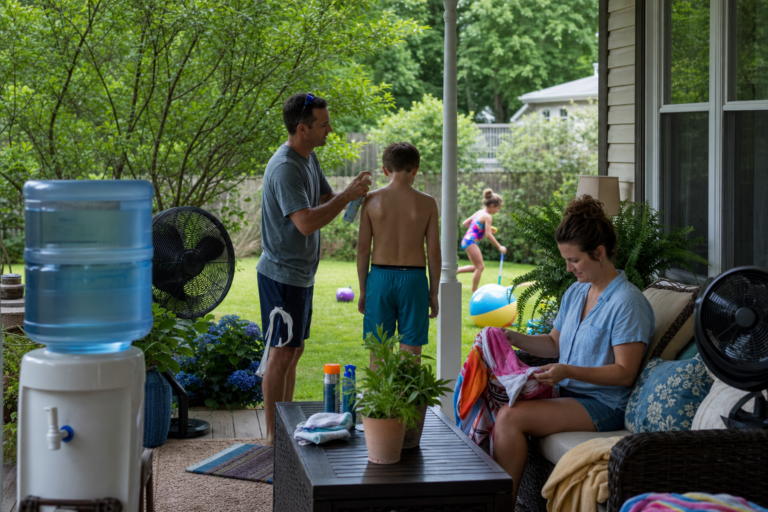
If you’re heading to ball fields, parks, or festivals, build in shade breaks. A simple rule that helps: take regular water breaks even if you don’t feel thirsty, and don’t wait for a headache or dizziness to start hydrating.
### 2) Keep indoor temperatures safer (even if you don’t have strong A/C)
Not every home cools the same way. If your air conditioning struggles or you don’t have it in every room, focus on reducing heat load:
– Close blinds and curtains on the sunny side of the house during peak hours.
– Use fans to move air, but remember: fans help comfort, yet they don’t lower room temperature.
– If the indoor temperature is staying high late into the night, consider spending the hottest part of the day in an air-conditioned place (a friend’s house, a library, a mall, or another public indoor spot).
If you have window units, clean or replace filters and make sure the unit can actually move air. If you rent, report issues early so repairs don’t fall behind during the hottest stretch.
### 3) Check on neighbors who may be at higher risk
Heat can be especially dangerous for older adults, people with chronic health conditions, and anyone taking medications that affect hydration or body temperature. If you know someone who lives alone, a quick check-in can make a real difference.
If you’re not sure whether someone has cooling, ask directly and offer a ride to an air-conditioned location if needed.
### 4) Know the warning signs that mean it’s time to stop and cool down
Heat illness can start subtly. Watch for:
– Muscle cramps
– Unusual fatigue
– Headache
– Dizziness or fainting
– Nausea
– Confusion
If symptoms are getting worse, move to shade or air conditioning, sip water, loosen clothing, and cool the skin with a damp cloth. If someone is confused, passes out, or cannot keep fluids down, treat it as urgent and get medical help.
### 5) Keep kids and teens safer at camps and practices
For summer sports and band camps, ask how breaks and water access are handled. The safest programs build in scheduled hydration, shade, and extra caution during the hottest hours.
Send kids with more water than you think they’ll need and remind them that “toughing it out” is not the goal in extreme heat.
### 6) Don’t underestimate heat risk in vehicles
Never leave children or pets in a parked car, even for a quick stop. Car interiors can heat quickly and become dangerous fast.
If you’re doing errands, plan them so you can avoid long waits in the car or repeated door-open/door-close cycles that warm the cabin.
### 7) Protect pets and animals
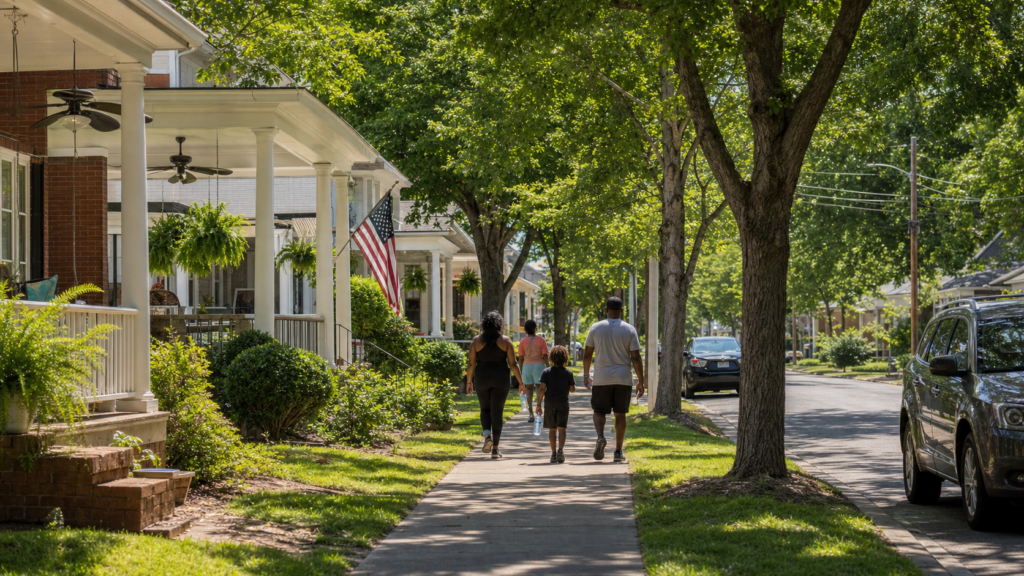
Pets can overheat quickly on hot pavement and in humid conditions. Shift walks to cooler hours, bring water, and check pavement temperature with the back of your hand before long walks.
Make sure outdoor animals have shade and fresh water throughout the day.
### 8) Have a backup plan for power or A/C trouble
Even a short outage can turn a hot home into an unsafe one, especially overnight. If you rely on medical devices or need consistent cooling for health reasons, think through your backup options now: a family member to stay with, a place to go during the hottest hours, or a way to charge phones and keep in contact.
### What to do today in Spartanburg
– Check your home’s cooling setup this morning (filters, vents, blinds, fans).
– Put a water plan in place for work, practice, and travel.
– Pick an air-conditioned “backup location” you can use if your home gets too hot.
– Make a short list of people to check on if the heat lasts several days.
Heat waves are common in the Upstate, but the risk rises when hot days stack up and nights stay warm. Small steps taken early can prevent emergencies later.
Sources used for background reporting include national heat coverage and health guidance from major news outlets; local readers should follow real-time Upstate forecasts and any local emergency-management advisories as conditions change.