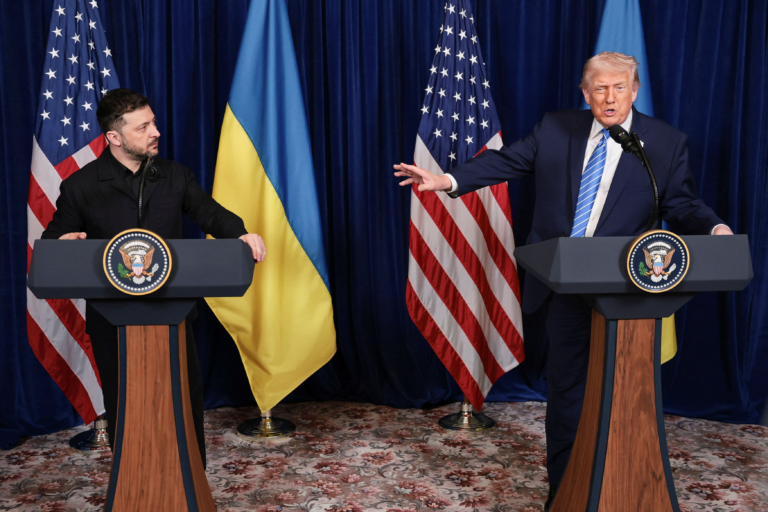
President Donald Trump emerged from Saturday night’s chaotic scene at the White House Correspondents’ Association dinner — where a gunman opened fire outside the Washington Hilton ballroom — only to find himself in a fresh confrontation the following evening, this time on national television.
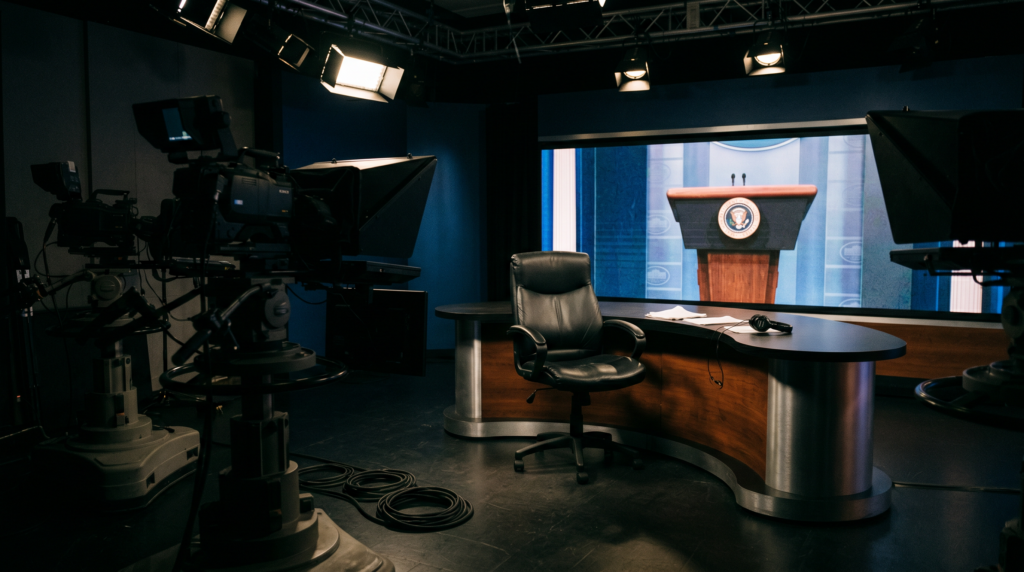
During a Sunday night interview with CBS correspondent Norah O’Donnell, who attended the dinner and witnessed the shooting firsthand, the president initially struck a measured tone about the terrifying sequence of events. But the exchange turned sharply heated when O’Donnell read aloud a passage from the suspected shooter’s manifesto, in which the gunman described targeting Trump administration officials and used inflammatory language about the president himself.
Trump accused the correspondent of being horrible and disgraceful for airing the manifesto excerpt, saying he had anticipated she would read it. He denied all characterizations in the document and insisted he had not committed the acts the gunman implied. The president also suggested the manifesto’s language prompted him to think about his past legal battles, in which he maintained he was fully exonerated. O’Donnell held firm that she was quoting the suspect’s words, not making accusations of her own. Trump told her she should not have read the passage on air and called her a disgrace before agreeing to continue the interview.
The gunman, identified as 31-year-old Cole Tomas Allen of Torrance, California, forced his way through a security checkpoint at the Washington Hilton armed with a shotgun, a handgun and multiple knives on Saturday evening, April 25. Allen fired shots in an anteroom just outside the dinner’s ballroom, where the president, the first lady, Vice President JD Vance and several Cabinet members were in attendance. A Secret Service officer was struck by gunfire but was protected by a bulletproof vest and was released from a hospital on Sunday. Allen was subdued by law enforcement and was not killed. He faces charges of using a firearm during a violent crime and assaulting a federal officer with a dangerous weapon, with arraignment in federal court set for Monday.
Investigators said Allen traveled from Southern California to Chicago and then onward to Washington by train, checking into the Washington Hilton ahead of the dinner. In a manifesto he shared with family members before the attack, Allen called himself a self-styled federal assassin and stated he was targeting administration officials prioritized from highest-ranking to lowest. His brother contacted police in New London, Connecticut, after the shooting to report information he believed was relevant to the investigation. The FBI is examining Allen’s electronics, social media activity and writings as it works to establish a clear motive. Acting Attorney General Todd Blanche described the Secret Service’s response as a security success, although questions remain about how Allen was able to breach the hotel’s magnetometer screening.
Trump, who attended the correspondents’ dinner for the first time in his presidency, said he was not worried when the shots rang out and praised law enforcement and the Secret Service for their rapid response. He called Allen a sick and radicalized person and said he hoped the event would be rescheduled, arguing that allowing a violent actor to cancel such a gathering would set a bad precedent. The White House Correspondents’ Association announced the dinner would be rescheduled.
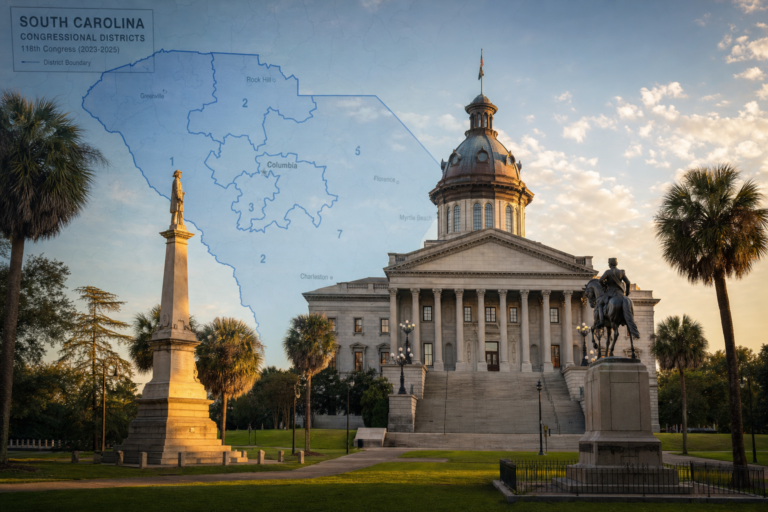
South Carolina’s senior senator, Lindsey Graham, quickly elevated the incident into a call for broader security policy action. Graham urged Democratic colleagues to act when the Senate reconvenes, warning that threats against the presidency are growing and that the federal government must increase funding for the Department of Homeland Security. He also announced plans to introduce legislation to fund construction of a dedicated White House ballroom, arguing that a purpose-built venue would provide better security for future presidential events and remove the vulnerability inherent in hosting large public gatherings at a commercial hotel. Graham, who serves on the Senate Judiciary and Armed Services committees, framed the WHCD shooting as evidence that presidential security needs a structural overhaul, not just procedural fixes.
The incident marks at least the fourth time a gunman has targeted Trump at a large public venue since 2024. Allen’s arraignment Monday is expected to provide additional details about the federal charges he faces, while the broader debate over event security and the role of political rhetoric in motivating violence continues in Washington and across the country.