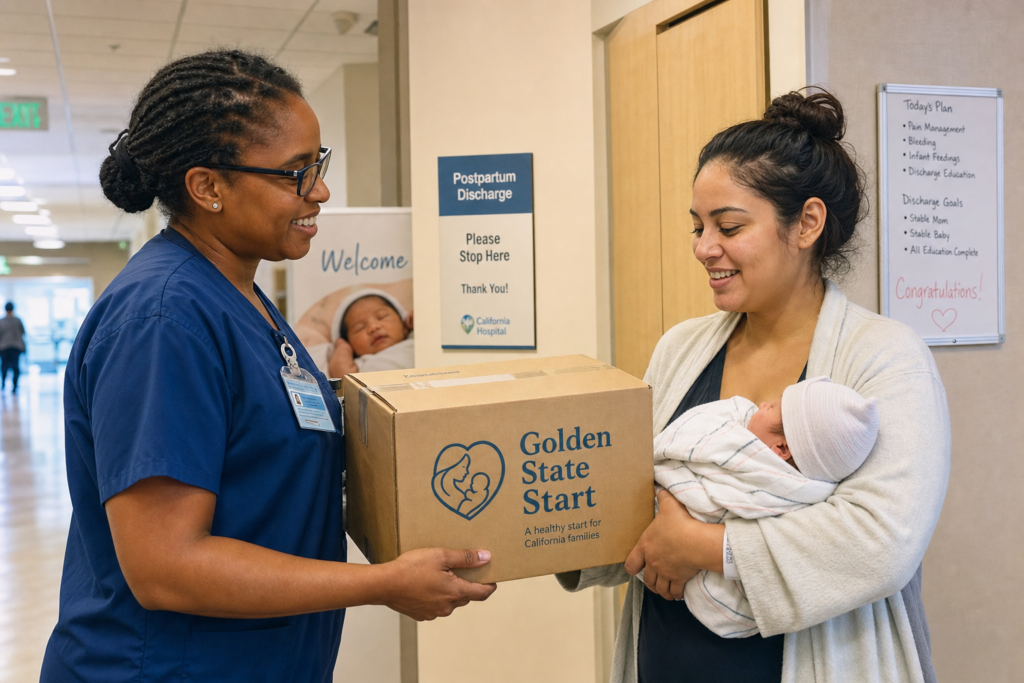
California Governor Gavin Newsom announced Friday the launch of a first-in-the-nation program that will provide 400 free diapers to every newborn delivered at participating California hospitals, putting the state at the forefront of a national conversation about infant care costs that also resonates deeply in South Carolina.
The initiative, called Golden State Start, will begin distributing diapers through participating hospitals this summer. In its first year, the program will be available at roughly 65 to 75 hospitals that collectively handle about a quarter of births statewide, with priority given to facilities serving large numbers of Medicaid patients. State officials said the program would eventually expand to additional hospitals and birthing centers across California, though no specific timeline was provided.
Families will receive the diapers at no cost when newborns are discharged from the hospital. Each package contains 400 diapers sized for newborns and infants weighing up to 14 pounds — a supply that covers a little more than a month, given that newborns typically require eight to ten diapers per day. The diapers will be co-labeled under the Golden State Start name to reflect the state’s role in the program.
California partnered with Baby2Baby, a California-based nonprofit organization that works to expand children’s access to essential goods, to manage procurement, warehousing, and hospital distribution. Baby2Baby produces diapers at roughly 80 percent less than retail prices by leveraging bulk manufacturing, and the organization has distributed more than 300 million diapers to date. The state’s health secretary, Kim Johnson, said the program aims to ensure that families begin the first days at home focused on their newborn rather than on the financial pressure of affording basics.
Newsom framed the program as a concrete extension of California’s broader affordability agenda, which has included free school meals, universal preschool for four-year-olds, and expanded after-school programming. The state Legislature allocated $7.4 million in last year’s budget to launch the initiative, and Newsom has proposed an additional $12.5 million in the current year’s budget to expand it through the fiscal year ending in June 2027. California’s Department of Health Care Access and Information estimates that about 420,000 babies are born in the state each year and that families spend roughly $1,000 per baby annually on diapers.
The announcement puts pressure on states that have not yet addressed diaper costs as a policy matter. Tennessee and Delaware moved earlier — two years ago, both states became the first in the country to offer free diapers specifically to families enrolled in Medicaid. Tennessee distributes up to 100 diapers per month for children under two through pharmacies. Delaware’s program, which expanded in 2024 after starting as a pilot, provides up to 80 diapers and one pack of wipes weekly during a child’s first 12 weeks of life.
California’s Golden State Start differs in scope: it is not limited to Medicaid enrollees but is available at participating hospitals to all newborns at the time of discharge, regardless of insurance status, in the first phase of the rollout.
The South Carolina Picture
South Carolina families face the same financial squeeze that drove the California program. Data from the National Diaper Bank Network shows that about 46 percent of births in South Carolina are covered by Medicaid, meaning nearly half of new parents in the state depend on a public insurance program that does not cover routine diaper costs for healthy infants. The state has roughly 168,000 children under the age of three, and approximately 20 percent of them live in households earning below the federal poverty level.
Diapers cost families between $80 and $100 or more per month per child — a burden compounded in South Carolina by a Medicaid and safety-net system that does not include diaper coverage for healthy newborns. The National Diaper Bank Network estimates that a South Carolina family on TANF receiving the maximum benefit of $552 per month for a family of three would be spending roughly 19 percent of that benefit on diapers for a single infant — leaving little margin for anything else.
South Carolina currently has no state program that provides free diapers to healthy newborns as a universal benefit. Spartanburg-area families relying on charitable resources can access programs like Tender Hearts Ministries, which provides free diapers and other infant essentials through its Baby Care program for families in need in the Upstate region. The organization operates as part of the broader faith-based and nonprofit safety-net infrastructure serving Spartanburg County.
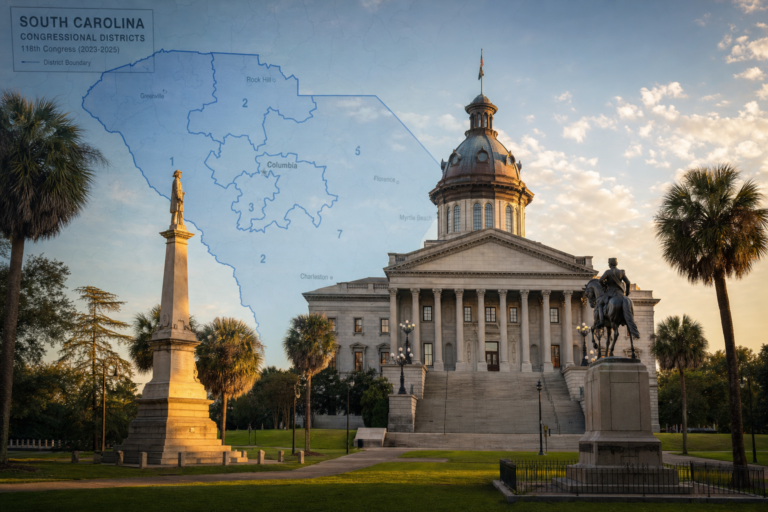
South Carolina’s congressional delegation has not issued statements specifically responding to the California program, but the policy stakes fall within the committee jurisdiction of several members representing Upstate South Carolina. Rep. William Timmons, who represents South Carolina’s Fourth Congressional District covering Spartanburg and Greenville, serves on the House Financial Services Committee and the Oversight Committee — both bodies relevant to federal spending on family support programs. Sen. Tim Scott, a member of the Senate Finance Committee and the Small Business Committee, has been a consistent voice on federal spending priorities for working families. Sen. Lindsey Graham, who sits on the Senate Appropriations Committee, would have direct oversight of any future federal effort to fund infant supply programs through the appropriations process.
As California’s Golden State Start enters its first operational summer, advocates working on diaper access in states like South Carolina are watching to see whether the program generates measurable outcomes — reduced emergency visits for diaper rash, improved maternal health metrics, lower infant illness rates — that could build a case for federal policy action or similar state-level investment in the Southeast. About half of all babies born in California are on Medicaid; in South Carolina, that figure is also roughly 46 percent, making the two states broadly comparable in their Medicaid-birth share even as their policy responses have diverged sharply.