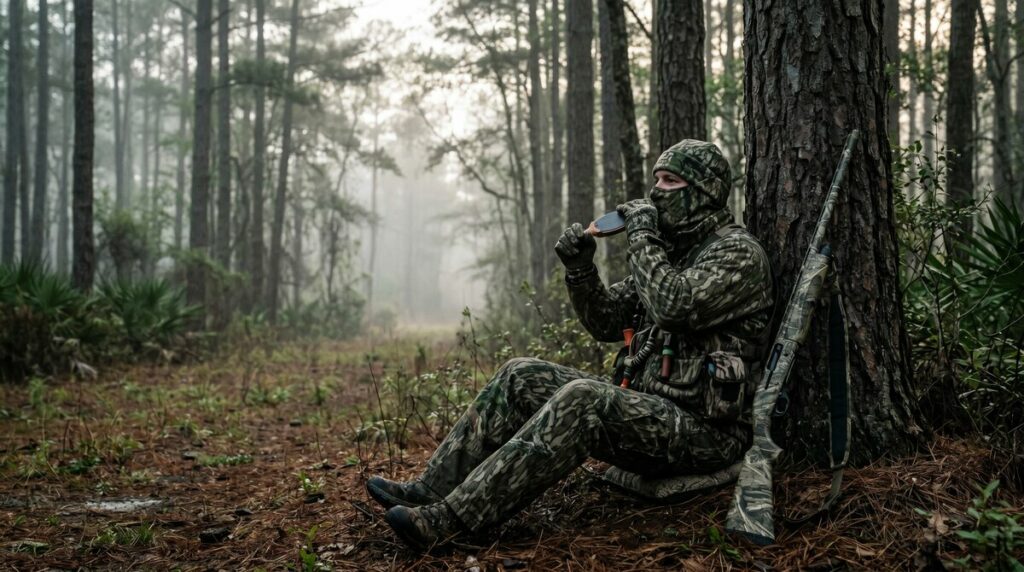
South Carolina’s spring turkey season is well into its rhythm, and Upstate hunters heading into the woods this week are reporting the kind of conditions that separate patient, skilled callers from those who rely on luck alone. The birds are henned up in some areas and beginning to break into more predictable patterns in others — a transition that experienced hunters know signals the most productive window of the spring season.
The South Carolina Department of Natural Resources (SCDNR) spring turkey season opened earlier this month, with season dates varying by zone and WMA designation across the state. The Upstate’s Unit 1 zone, which covers Spartanburg County and surrounding Piedmont counties, offers legal hunting on private lands through the latter half of April, with WMA-specific dates applying to public ground across the region.
What Hunters Are Reporting
According to early harvest reports and hunter accounts shared through SCDNR’s game check system and sportsmen’s forums, the 2026 spring season is shaping up as a solid year for the Upstate’s turkey population. The winter flock survival rates were favorable, bolstered by a relatively mild season and adequate mast crop. Turkey biologists noted a healthy cohort of longbeards — mature gobblers — entering the breeding season this spring.
The week ahead looks favorable for hunters willing to adapt their strategies. Gobblers that were tight to henned groups in the first two weeks of the season are beginning to range more freely as some hens move toward incubation. That transition creates opportunities for hunters using soft, patient calling sequences to draw lonely longbeards looking for company.
WMA Conditions in the Upstate
Several wildlife management areas accessible to Spartanburg-area hunters offer spring turkey opportunities on public ground. Enoree Game Land, located in Newberry and Laurens counties to the south, has historically produced consistent turkey harvests and offers a mix of pine plantation, hardwood creek bottoms, and open agricultural fields that mimic the habitat structure turkeys prefer in the Piedmont.
Hunters accessing WMAs are reminded to check SCDNR’s current season dates and regulations, as public ground often operates under different date windows than private land. The SCDNR mobile app and website carry real-time regulation updates, and the wildlife check station reporting system allows hunters to log harvests and contribute to the statewide population data SCDNR uses to set future season frameworks.
Best Practices for Mid-Season Success
Turkey hunting’s mid-season presents a different set of challenges than the early-season opener. Birds have heard calling pressure, and henned gobblers can be maddeningly disinterested. The most effective mid-season approach in the Upstate typically involves locating birds through pre-dawn roost scouting, setting up well before first light within comfortable calling range, and exercising patience after the birds fly down and initially move away with hens.
After 9 a.m., when many hens have left gobblers to lay their eggs, the woods can come alive again. Mid-morning hunters who remain in position after the early-morning flurry often encounter the day’s best action as lonely gobblers begin searching for company.
Hunters are encouraged to log harvests through SCDNR’s Wildlife Check Station system. That data directly informs South Carolina’s season structure and bag limits in future years, making reporting a genuine contribution to the resource.
What’s Happening: Q&A
Q: Is spring turkey season open in Spartanburg County right now?
Yes. South Carolina’s spring turkey season is open in Spartanburg County and surrounding Upstate counties. Check the SCDNR website or app for specific WMA dates, as public land dates may differ from private land seasons.
Q: How is the 2026 turkey season shaping up?
Early reports indicate a solid season with favorable winter survival rates and a healthy cohort of mature longbeards. Birds are beginning to transition from henned-up early-season patterns to more predictable ranging behavior as some hens move toward incubation.
Q: What WMAs are accessible to Spartanburg-area hunters?
Enoree Game Land in Newberry and Laurens counties is among the consistently productive WMAs for Upstate turkey hunters. Check SCDNR’s public land listings for additional options and current season dates.
Q: What is the best strategy for mid-season turkeys?
Roost-scouting before dawn, setting up within calling range before flydown, and exercising patience after the early morning flurry. Mid-morning after 9 a.m. can be the most productive window as hens leave to lay and lonely gobblers begin searching.
Q: Why should I log my harvest?
SCDNR uses Wildlife Check Station data to track statewide harvest rates and population health, directly informing future season frameworks and bag limit decisions. Reporting takes only a few minutes via the SCDNR app or website.